

Hot weather can bring extra questions about stitches and sutures after pediatric plastic surgery. Parents often wonder how the sun, sweat, and activities like swimming can affect scar care.
Over the years, we have supported many families through reconstructive surgery and recovery, and we know that healing often comes with questions. Hot weather can add new concerns, from increased sweating and irritation to questions about outdoor activities and healing. This guide shares practical tips to help families navigate recovery with confidence while always following their child's surgical team's instructions.
Why Hot Weather Can Affect Healing
After surgery, parents may watch every small change. When the weather is hot, sweat, sun, and outdoor play can make recovery feel more complicated.
Warm weather may make a child feel itchier, warmer, or more uncomfortable than usual. Families may also be managing travel, lodging, and follow-up appointments at the same time, which can add stress to the healing process. Based on our experience supporting families through surgery and recovery, these guidelines can help you feel more prepared.
Keeping Stitches and Sutures Clean, Moist, and Comfortable
One common question families ask is how to care for healing skin after surgery. In many cases, the goal is simple: keep the area clean, protected, and cared for exactly as directed.
In our experience, Aquaphor® is often recommended by our surgeons to help keep healing skin and scars moist. Parents should only use it when the surgical team has approved it. It is important not to add extra creams, oils, or home remedies unless your child’s doctor says they are safe.
Helpful reminders for parents may include:
- Wash your hands before touching the area
- Keep the stitches or sutures clean as directed
- Use Aquaphor® only if recommended by the care team
- Avoid picking, scratching, or rubbing the area
- Call the medical team if something looks or feels concerning.
Asking questions is part of good care.
Sun Protection After Pediatric Plastic Surgery
Fresh healing skin can be sensitive, especially in strong sun. Sun exposure may affect how a scar looks over time, so protection matters.
Families should ask their child’s surgical team when it is safe to use sunscreen near the incision area. Until then, shade, hats, and protective clothing may be helpful options.
During hot weather, parents may want to:
- Keep their child out of direct sun when UV is strongest
- Use shade whenever possible
- Choose soft, loose clothing that does not rub the area
- Ask the care team when sunscreen is safe
- Watch for signs of discomfort or irritation
Small steps can make recovery feel more manageable.
Swimming, Salt Water, and Summer Activities
Swimming is another common question during warm-weather recovery. After pediatric plastic surgery, children should avoid swimming in pools, oceans, lakes, or salt water until the surgical team says it is safe. Even if the incision looks better on the outside, the area may still be healing underneath. The exact timeline can depend on the procedure, the incision, and your child’s recovery.
Before allowing swimming or water play, parents should ask:
- Is the incision fully healed?
- Are stitches or sutures still in place?
- Is ocean or salt water safe yet?
- Can my child go in a pool?
- Are there activities we should avoid?
These questions can help you have a more informed conversation with your child's surgical team before returning to swimming or other summer activities. If the incision is still healing, ask what signs of progress they are looking for and whether there are safe activities your child can enjoy in the meantime.
Even when an incision appears healed on the surface, deeper tissues may still be recovering. Getting clear guidance from your child's surgical team can help you better understand any restrictions and feel more confident about next steps.
Planning Ahead for Hot-Weather Recovery
Many families are not only preparing for surgery. They are also preparing for travel, hotel stays, clinic visits, and recovery away from home.
We encourage families to put together a small recovery bag, which can help parents feel more ready. They may want to pack soft clothing, a hat, approved ointment, clean supplies recommended by the care team, water, comfort items, and written instructions from the surgical team.
When to Contact the Care Team
Sometimes parents wonder, “Is this normal?” When a child is healing, it is always okay to ask for help.
Contact your child’s surgical team if you notice changes such as increased redness, swelling, drainage, fever, pain, the incision opening, or if your child seems unusually uncomfortable. This blog is for general education and should not replace the instructions from your child’s medical team.
For more support, read our previous blog, “Signs of Normal Healing After Your Child’s Surgery,” to learn what families may notice during recovery and when to reach out with questions.
How LBFF Helps Families Access Reconstructive Care
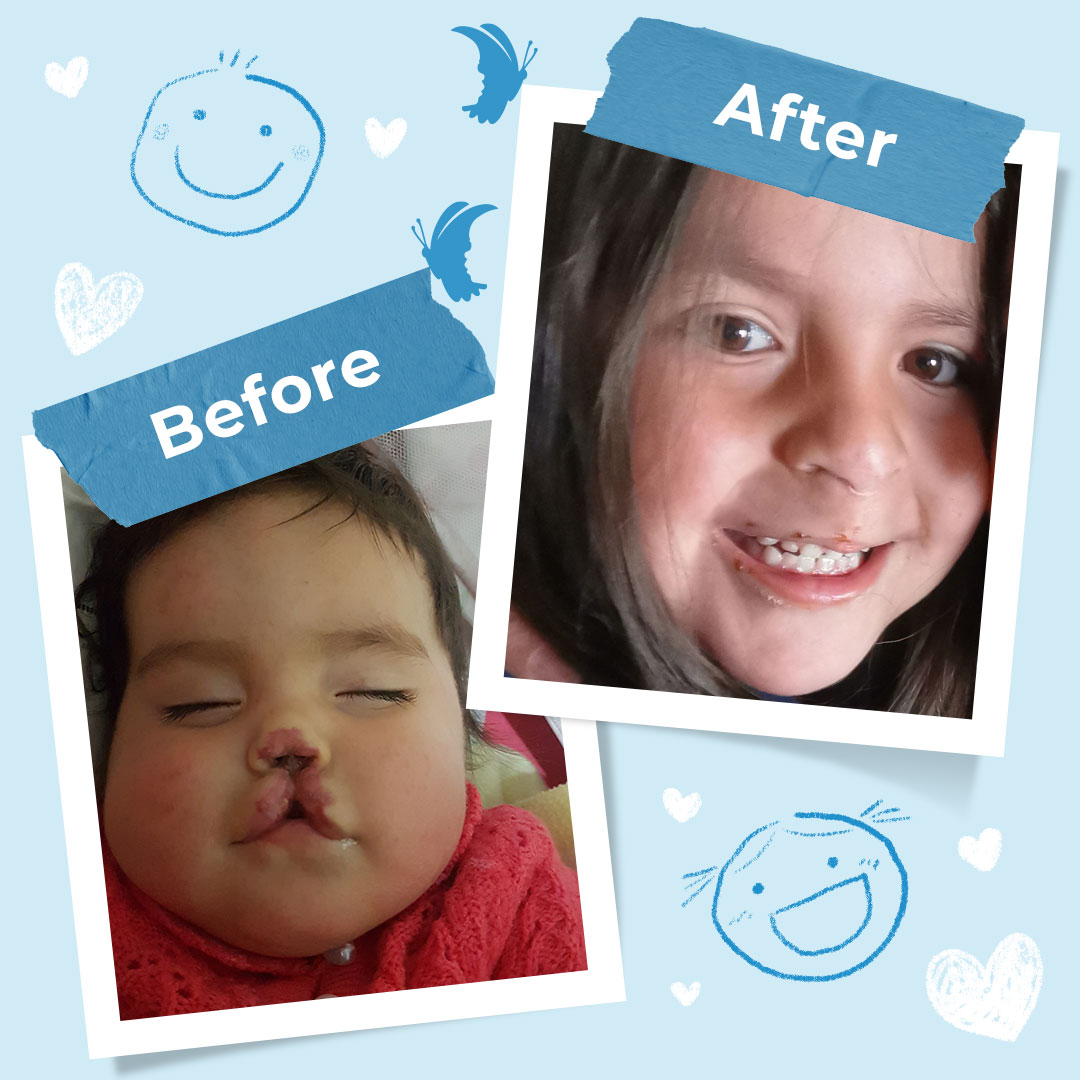
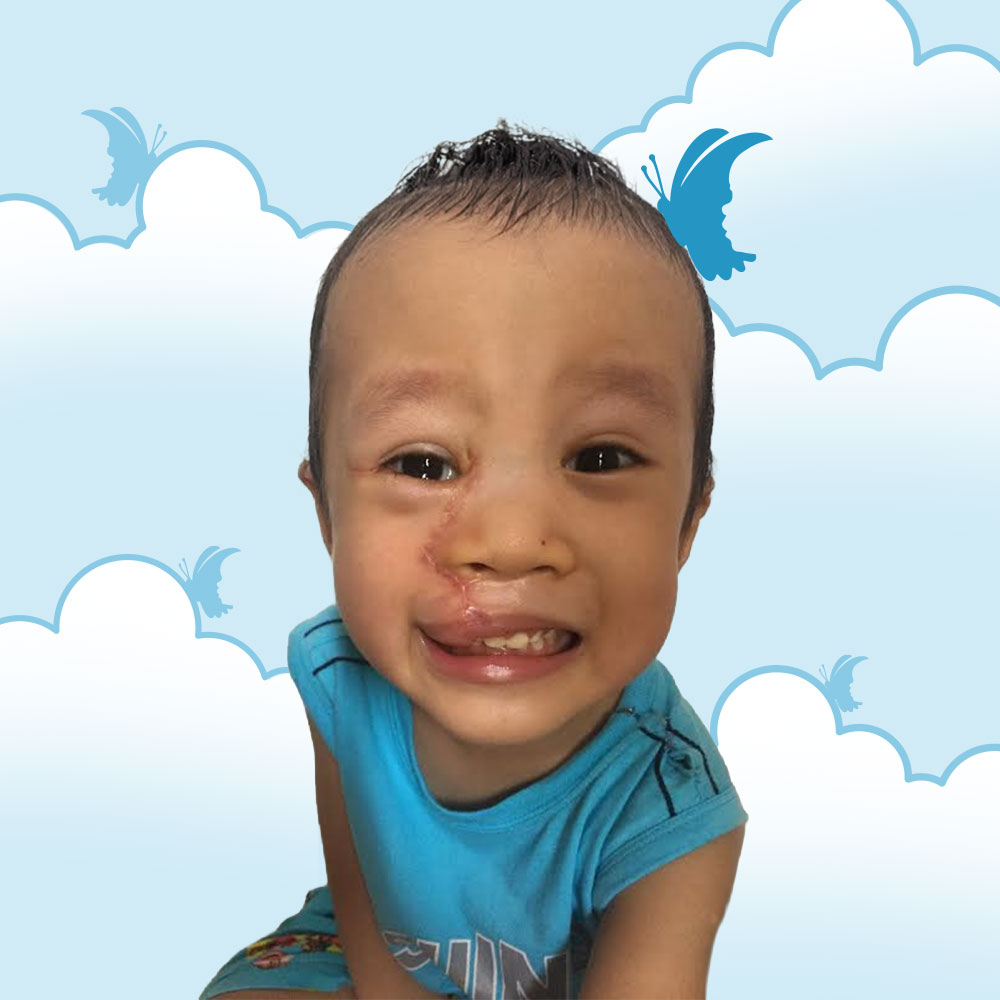
At Little Baby Face Foundation, we provide no-cost reconstructive care for children with facial differences, including microtia, hemifacial microsomia, cleft conditions, facial paralysis, and other conditions. We help cover critical expenses like surgery-related care, travel, and lodging when a child is accepted for treatment.
Frequently Asked Questions:
How can I protect my child’s stitches or scar in hot weather?
Keep the area clean, shaded, and protected as directed by your child’s care team. Families can ask when it is safe to use sunscreen and when swimming in pools, oceans, lakes, or salt water is allowed. Soft clothing, hats, shade, and breaks from direct sun can also help your child stay more comfortable while healing.
Temporary limits can help protect healing skin.
Can sweating affect stitches after surgery?
Sweating does not usually damage stitches directly, but excess moisture can irritate healing skin and make some children uncomfortable. Follow your surgical team's instructions for keeping the area clean and dry.
Can the sun affect a healing scar?
Yes. New scars can be sensitive to UV exposure, which may affect pigmentation and long-term scar appearance. Ask your child's care team about appropriate sun protection and when sunscreen can be safely used.
When can my child go swimming after surgery?
The answer depends on the procedure and how the incision is healing. Always wait until your child's surgical team confirms that swimming in pools, oceans, lakes, or other bodies of water is safe.