Little Baby Face Foundation may help eligible children with congenital facial, ear, and hearing-related differences that may benefit from reconstructive surgery. Every application is reviewed individually by our medical team.
If your child has a facial difference, you may be wondering whether help is available. At Little Baby Face Foundation, we provide no-cost reconstructive surgical care for eligible children with facial birth defects, including conditions such as cleft lip and palate, microtia, hemifacial microsomia, Treacher Collins syndrome, Goldenhar syndrome, vascular birthmarks, and other congenital facial differences. In our experience, families often feel overwhelmed when searching for answers, which is why we're committed to making the path to expert care as clear and supportive as possible.
Understanding Facial Birth Defects
Facial birth defects are conditions that affect how parts of a baby's face or head develop before birth. Some are visible immediately after birth, while others become more noticeable as a child grows.
The families we meet often arrive with many questions and very little information. We have noticed that understanding the condition is often the first step toward feeling more confident about seeking care.
Some children are born with conditions that primarily affect appearance. Others may experience challenges related to eating, speaking, breathing, hearing, or vision. Treatment may involve surgery, medical devices, therapy, monitoring, or a combination of approaches depending on the child’s needs. Every child is different, which is why treatment plans are individualized by experienced medical professionals.
At Little Baby Face Foundation, our role is to help eligible children receive reconstructive surgery from world-class volunteer surgeons while covering important treatment expenses like special equipment fees, approved medical costs, travel, lodging, and more.
Which Facial Conditions May Qualify for Help?
Although every application is reviewed individually, our volunteer medical team has experience treating many types of facial birth defects and related conditions.
Ear and Hearing-Related Differences
- Microtia and atresia
- Anotia
- Congenital ear differences
- Hearing restoration or hearing support, when appropriate
- Other conditions affecting the appearance or function of the ear
Cleft and Nasal Differences
- Cleft lip
- Cleft palate
- Facial clefts
- Nasal atresia
- Nasal clefts
Facial Development Conditions and Syndromes
- Goldenhar syndrome
- Hemifacial microsomia
- Treacher Collins syndrome
- Progressive hemifacial atrophy
- Other conditions that affect how one or both sides of the face develop
Vascular Birthmarks and Malformations
- Vascular birthmarks
- Hemangiomas
- Arteriovenous malformations
Nevi, Tumors, and Other Facial Conditions
- Congenital melanocytic nevus, sometimes called a hairy nevus
- Facial tumors
- Other congenital facial and ear differences that may benefit from specialized reconstructive surgical care
In our experience, families are often surprised to learn that many conditions exist on a spectrum. Two children with the same diagnosis may have very different needs, which is why every case receives an individual review.
Acceptance into our program depends on medical eligibility, the child’s treatment needs, and whether the child's condition aligns with our mission and available surgical resources.
Surgery Is Just One Part of the Journey
Treatment may involve one surgery, several staged procedures, medical devices, hearing support, therapy, or ongoing monitoring. The care plan depends on the child’s condition, age, development, and which functions or facial structures are affected.
When people hear the word surgery, they sometimes imagine a single procedure that solves everything. Over the years, we've learned that caring for children with facial birth defects is often a journey rather than a single event.
Some children only need one operation.
Others may require care in stages as they grow and develop.
Because children's faces continue changing throughout childhood, timing can be an important part of treatment planning. Our volunteer surgeons carefully evaluate each child to determine whether surgery is appropriate and when it may provide the greatest benefit.
We never promise outcomes because every child is unique. Instead, we focus on providing compassionate, individualized care for families who qualify for our program.
Surgery vs. Medical Devices: What's the Difference?
Parents often ask whether surgery is always the answer.
The reality is that treatment can involve different approaches depending on the child's diagnosis. Some children may benefit from reconstructive surgery. Others may use medical devices, supportive therapies, or other treatments as part of their overall care.
Depending on the condition, supportive care may include hearing devices, feeding support, orthodontic treatment, prosthetic options, or monitoring by several medical specialists.
We've seen that families sometimes assume these options compete with one another. In reality, they often work together. Surgery may address one aspect of a condition while other treatments support a child's development over time.
Because every child is different, our medical team reviews each application individually before determining whether our program is the right fit.
Short-Term Care vs. Long-Term Care
Children with facial birth defects may receive care over many years.
Short-term care may include:
- An evaluation by specialists
- One reconstructive procedure
- Recovery and follow-up appointments
- Hearin, feeding, or dental assessments when needed
Long-term care can involve:
- Multiple surgeries completed over several years
- Growth-related evaluations
- Ongoing monitoring as the child develops
- Coordination among medical specialists
- Adjustments to hearing devices, dental care, or other supportive treatment
While treatment timelines can vary, one thing never changes: our commitment to the children and families we serve. Whether a child needs one surgery or several over time, they become part of the Little Baby Face Foundation family. We are honored to walk alongside our patients long after a procedure is complete, celebrating their progress and supporting them through every stage of their journey.
Understanding Common Facial Conditions and Terms
Medical language can feel intimidating. Here are a few common terms you may encounter as you learn more about facial birth defects and the conditions we help treat.
Congenital: A condition that is present at birth.
Craniofacial: A term describing conditions involving the head, skull, face, or jaw.
Reconstructive Surgery: Surgery performed to improve function, appearance, or both after a child is born with a facial difference.
Cleft Lip: An opening in the upper lip that develops before birth.
Cleft Palate: An opening in the roof of the mouth that develops before birth.
Facial Cleft: A rare birth difference in which parts of the face do not fully develop or join together before birth.
Microtia: A condition in which one or both outer ears are underdeveloped or absent.
Atresia: A condition where the ear canal does not fully develop, which may affect hearing.
Hemifacial Microsomia (HFM): A condition in which one side of the face develops differently than the other, often affecting the jaw, ear, or cheek.
Treacher Collins Syndrome: A genetic condition that affects the development of the bones and tissues of the face.
Goldenhar Syndrome: A congenital condition that can affect the development of the face, ears, eyes, and spine.
Vascular Birthmarks: Birthmarks caused by differences in blood vessels that may grow or change over time.
Hemangioma: A common type of vascular birthmark made up of extra blood vessels that often appears shortly after birth.
Hairy Nevus (Congenital Melanocytic Nevus): A pigmented birthmark that is present at birth and may contain hair.
Arteriovenous Malformation (AVM): An abnormal connection between arteries and veins that can affect blood flow.
Nasal Atresia: A condition in which part of the nasal passage is blocked or does not fully develop.
Nasal Cleft: A rare birth difference affecting the shape or structure of the nose.
Progressive Facial Atrophy: A condition in which tissues on one side of the face lose volume over time.
Facial Tumor: An abnormal growth on the face that may require evaluation and, in some cases, reconstructive surgery.
Hearing Restoration: Surgical procedures that may help improve hearing for some children with congenital ear differences, when appropriate.
Surgical Stages: Some treatments require multiple procedures performed over a period of months or years, allowing time for proper healing between surgeries. For us, this may mean a child returns for a later stage of care after they have fully healed from an earlier procedure.
If you don't see your child's condition listed here, we still encourage you to apply. Our medical team reviews every application individually to determine whether Little Baby Face Foundation may be able to help.
How We Help Families
One of the questions we hear most often is, "How much does treatment cost?"
Our volunteer surgeons generously donate their time, allowing donor support to help cover eligible expenses such as:
- Special equipment fees
- Anesthesia
- Approved hospital or treatment-related costs
- Travel assistance
- Lodging when needed
- Other approved expenses connected to the child’s care
Removing these financial barriers allows families to focus on what matters most: their child's care.
Our role may also include helping accepted families understand the treatment plan, coordinate appointments, and prepare for travel or recovery when those services are part of the approved care.
Who May Be Eligible?
Eligibility is based on several factors, including the child’s age, diagnosis, medical needs, financial circumstances, and whether the recommended treatment aligns with our mission and available resources.
A child does not need to match every condition listed on this page. If you believe your child has a facial, ear, or hearing-related difference that may benefit from reconstructive surgery, we encourage you to apply.
Submitting an application does not guarantee acceptance or treatment. It gives our medical team the information needed to determine whether our program may be an appropriate fit.
How to Apply
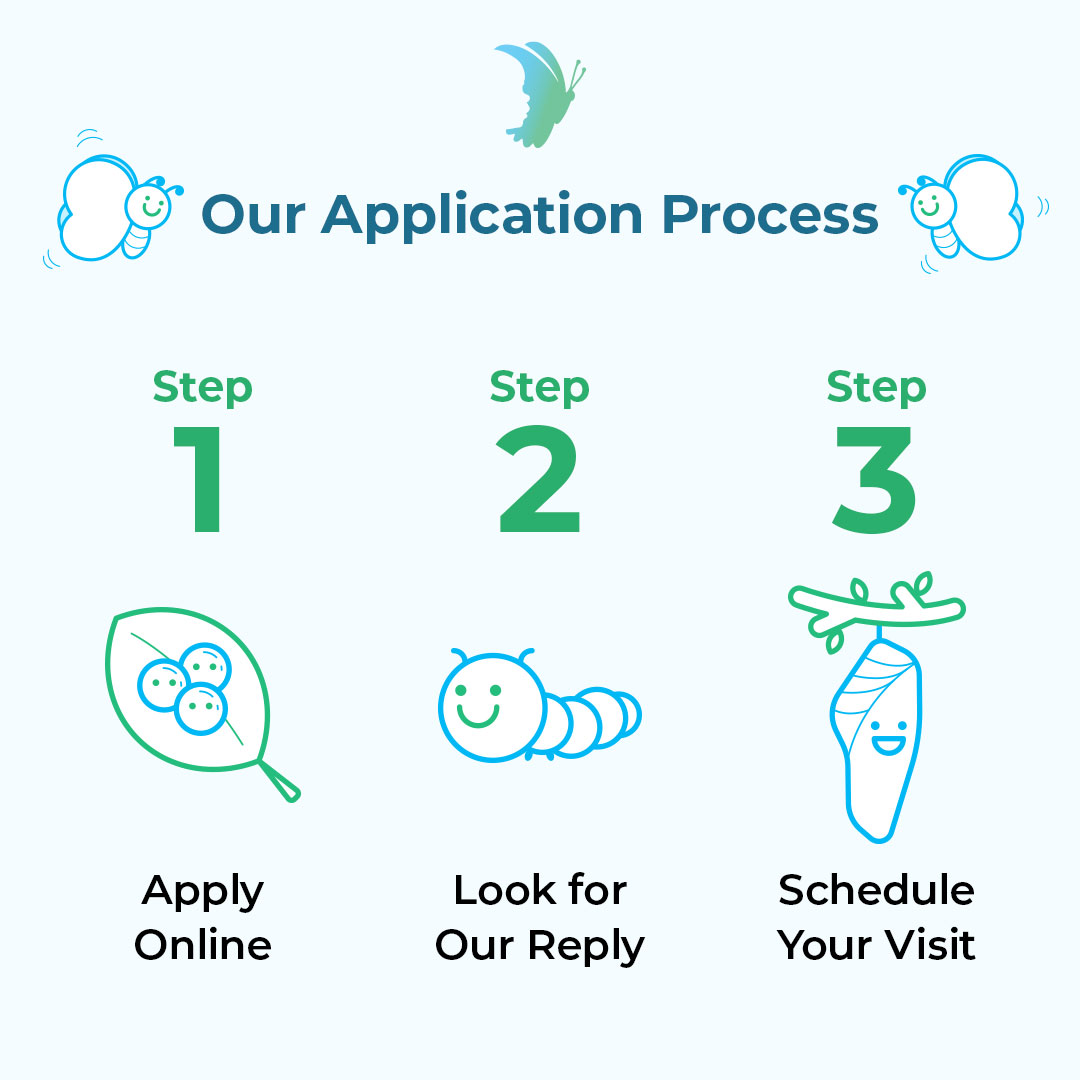
If your child has one of these conditions or another qualifying facial difference, we encourage you to begin with our confidential online application.
Our medical team carefully reviews every submission to determine eligibility for treatment through Little Baby Face Foundation.
Families may be asked to provide information about the child’s diagnosis, medical history, previous treatment, photos, financial circumstances, and current medical needs. Providing complete information can help the medical team review the application.
Completing an application does not guarantee acceptance, but it is the first step toward understanding whether our program may be able to help your family.
We know reaching out can feel overwhelming. Our goal is to make the process as clear, welcoming, and supportive as possible.
Frequently Asked Questions About Facial Birth Defects
What types of facial conditions may qualify for help?
Little Baby Face Foundation may help eligible children with congenital facial, ear, and hearing-related differences that may benefit from reconstructive surgery. These may include cleft lip and palate, microtia, hemifacial microsomia, Treacher Collins syndrome, Goldenhar syndrome, vascular birthmarks, and other conditions. Each application is reviewed individually.
Does Little Baby Face Foundation provide free surgery?
For children accepted into our program, yes. Our volunteer surgeons donate their expertise, and donor support helps cover operating room fees, anesthesia, travel, lodging, and other essential treatment costs. The exact expenses covered depend on the approved treatment plan and the Foundation’s current policies.
What age does my child need to be?
Eligibility depends on the child's condition and medical evaluation. Every application is reviewed individually by our medical team. Some procedures are recommended at specific ages or stages of development, while other children may benefit from an earlier evaluation or supportive care.
Do you only help children in the United States?
We serve children from around the world, depending on eligibility and available treatment opportunities.
Can I apply if I am unsure whether my child's condition qualifies?
Absolutely. If you believe your child may benefit from reconstructive surgery, we encourage you to submit a confidential application. Our medical team will review the information and determine whether your child may be eligible.
Does my child need a confirmed diagnosis before applying?
Families may apply even if they are still seeking clarity about a child’s condition. Any available medical records, photos, test results, or diagnosis information may help the medical team review the application.
Does submitting an application guarantee surgery?
No. Submitting an application begins the review process but does not guarantee acceptance, surgery, or other treatment. Eligibility depends on medical need, financial circumstances, available resources, and whether the child’s care aligns with the Foundation’s mission.
Can a child receive help for more than one condition?
Yes. Some children have more than one related facial, ear, hearing, or developmental difference. The medical team reviews the child’s overall needs rather than considering each diagnosis separately.
What happens after an application is submitted?
The medical team reviews the application and supporting information. If more details are needed, the Foundation may contact the family before determining whether the child may be eligible for care.
Are travel and lodging included?
For accepted families, donor support may help cover eligible travel and lodging expenses connected to approved treatment. Coverage depends on the child’s care plan and the Foundation’s current policies.