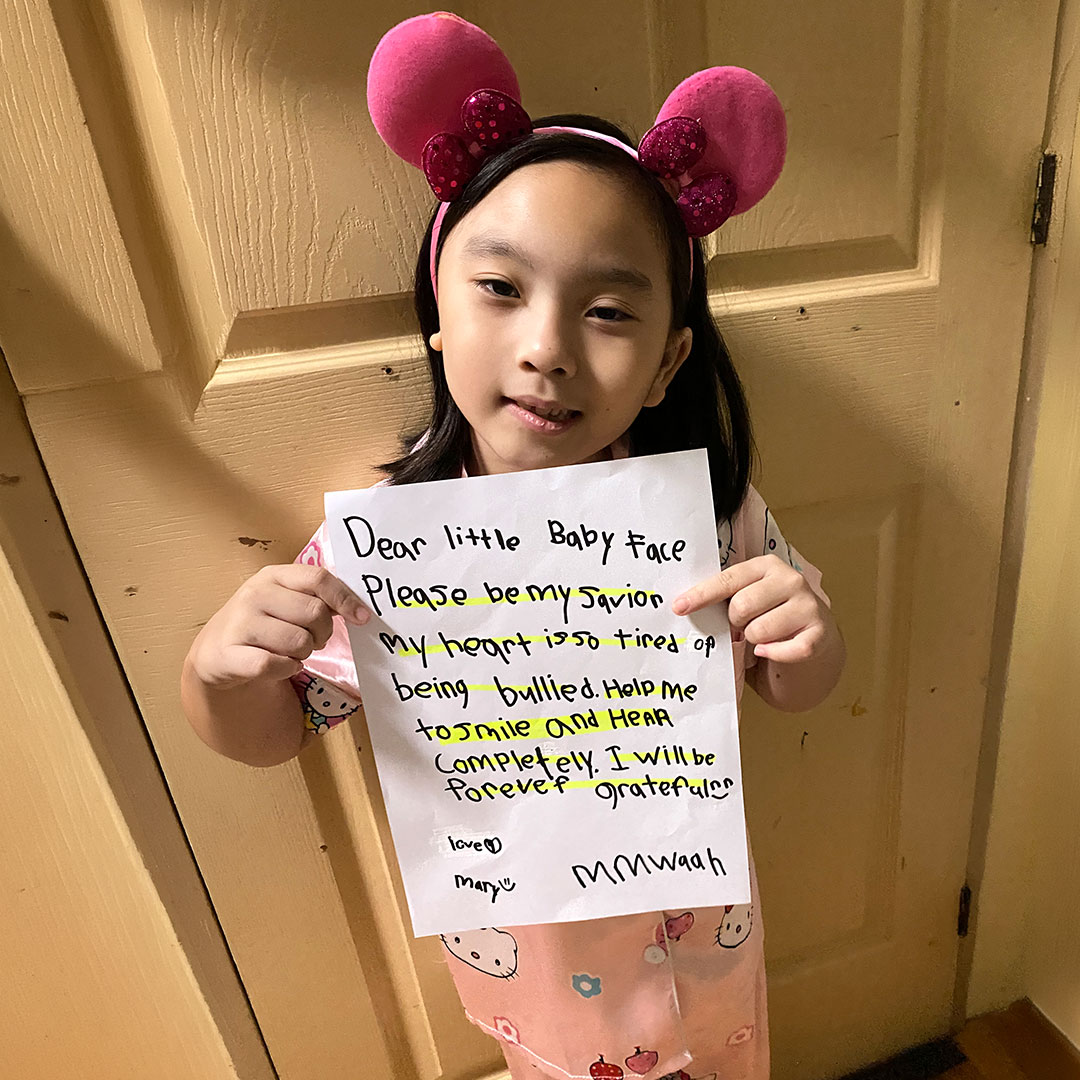

Facial birth defects are conditions present at birth that affect how parts of a child’s face develop. These differences can involve the ears, lips, jaw, nose, or other facial structures. While every child’s situation is unique, many families find hope through medical care, supportive communities, and organizations dedicated to helping children receive life-changing treatment.
When Your Child Is Diagnosed With Facial Birth Defects
Hearing that your child has a medical condition can feel overwhelming. Many parents experience a mix of emotions—concern, confusion, and the urgent desire to understand what comes next.
If your child has been diagnosed with facial birth defects, you are not alone. Around the world, families are navigating similar journeys, seeking answers and support for their children.
The most important thing to remember is this:
A diagnosis is the beginning of understanding—not the end of hope.
With the right information and compassionate support, families can take meaningful steps forward.
What Are Facial Birth Defects?
Facial birth defects—sometimes called craniofacial differences—are conditions present at birth that affect the development of the head or face.
These differences can vary widely. Some children may have mild changes that affect appearance, while others may experience challenges with hearing, breathing, eating, or speaking.
Facial development begins early in pregnancy. During this complex process, many structures must grow and join together. When something disrupts that process, a facial difference may occur.
Each child’s diagnosis is unique, and understanding the condition helps parents make informed decisions about care and support.
Common Types of Craniofacial Conditions
Several types of conditions fall under the umbrella of facial birth defects. Below are a few examples families may encounter.
Microtia and Atresia
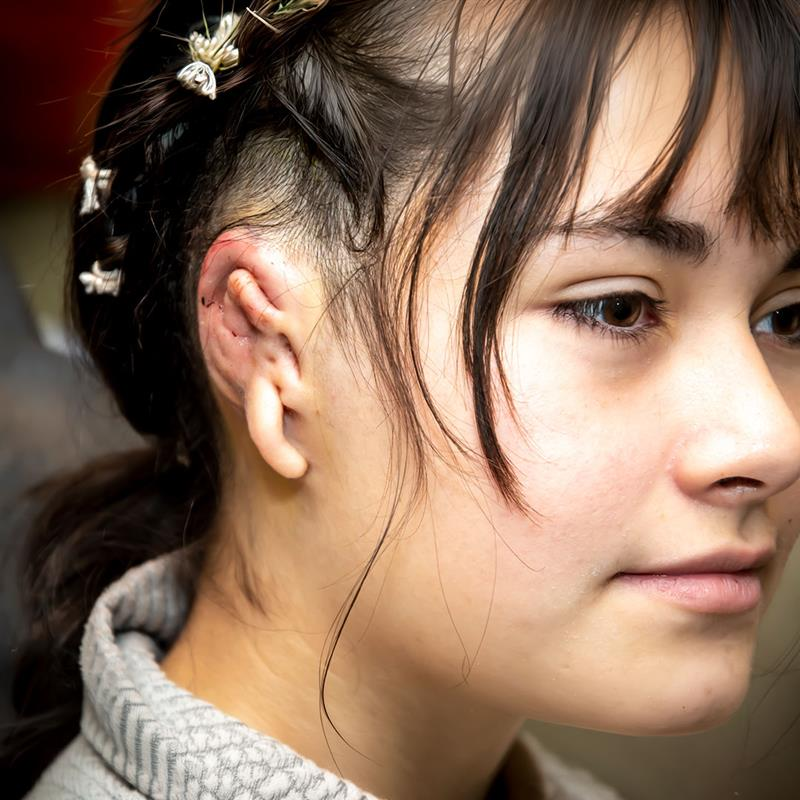
Microtia occurs when a child’s external ear does not fully develop. Sometimes this is accompanied by atresia, where the ear canal is absent or closed.
Children with microtia may experience hearing challenges, and some families pursue reconstructive procedures or hearing support options.
Cleft Lip and Cleft Palate
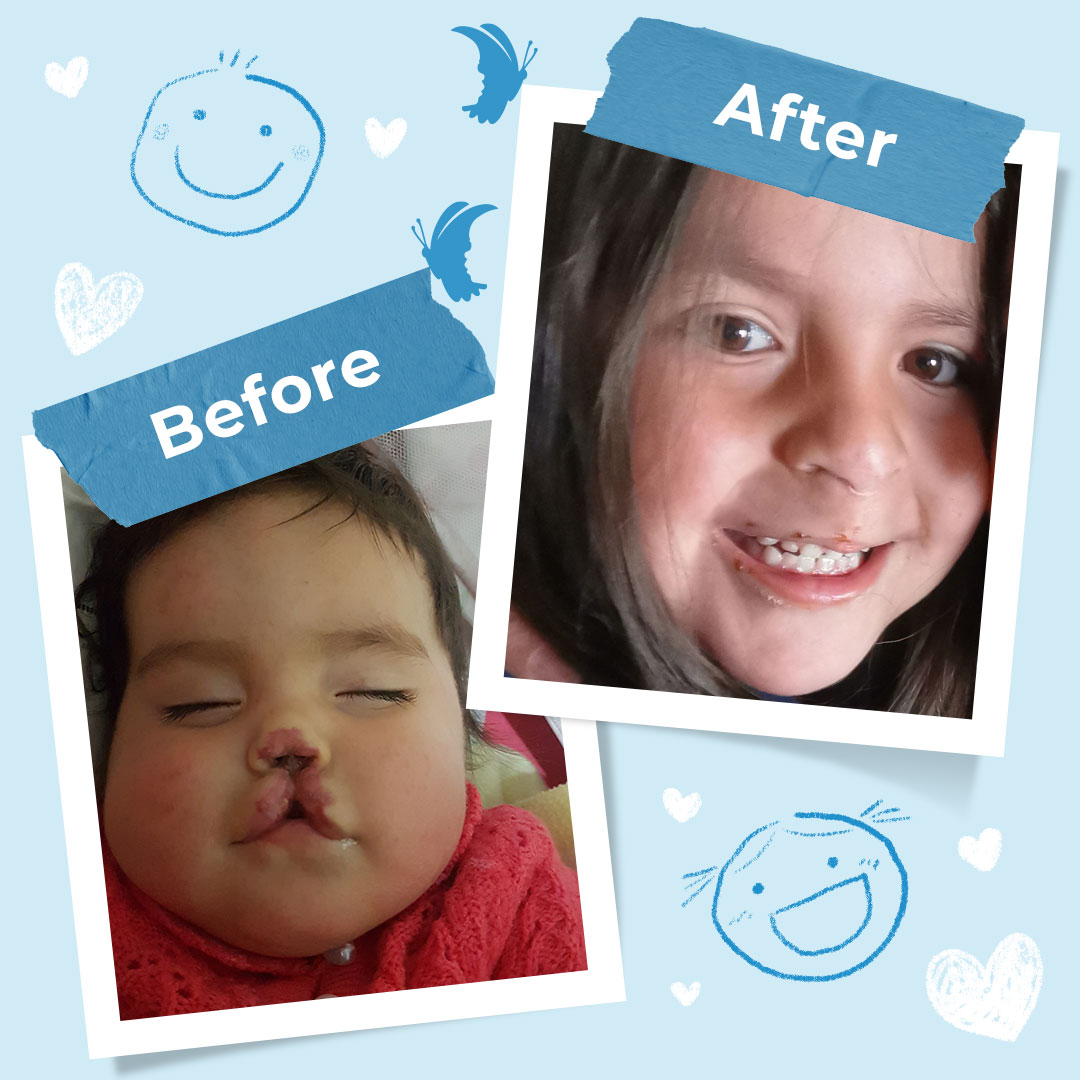
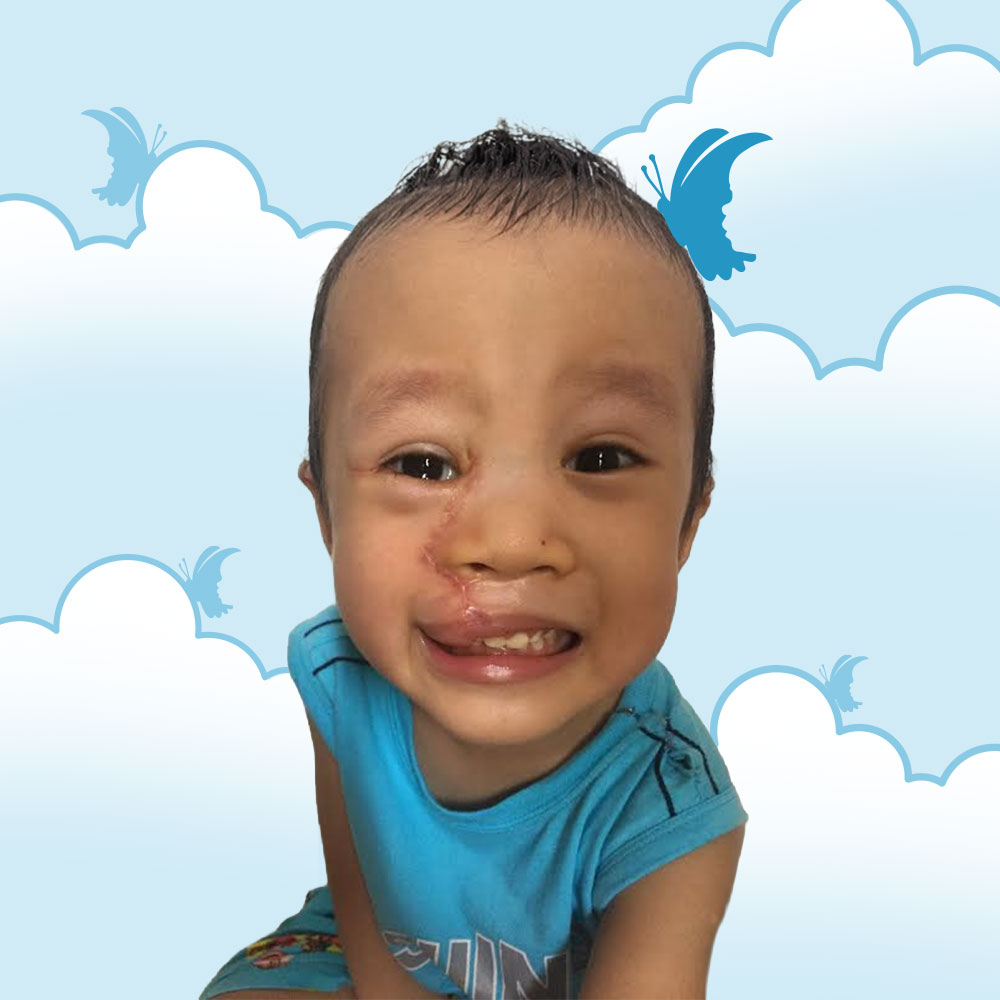
A cleft occurs when parts of the lip or roof of the mouth do not fully join during early development.
This condition can affect feeding, speech, and dental growth. Treatment may involve specialized medical care over time.
Hemifacial Microsomia
This condition occurs when one side of the face develops differently from the other. It may involve the jaw, ears, or muscles of the face.
Goldenhar Syndrome
Goldenhar syndrome can affect the development of the ears, eyes, and spine. It is considered a rare craniofacial condition and may vary significantly from child to child.
Vascular Birthmarks or Hemangiomas
Some children are born with vascular birthmarks—clusters of blood vessels that appear on the skin. In some cases, these may require medical evaluation or treatment.
How Common Are Facial Birth Defects?
Many craniofacial conditions are treatable with specialized medical care. In fact, roughly 1 in 1,100 children is born with some type of facial difference.
That means thousands of families each year begin the same journey you may be on now.
What This Diagnosis May Mean for Your Child
Every child’s path is different. Some children may need only one procedure, while others may require several stages of care as they grow.
Support may focus on improving important functions such as:
- Hearing
- Breathing
- Eating or feeding
- Speech development
- Facial structure or symmetry
Medical teams often create individualized treatment plans based on the child’s needs. The goal is always to help children grow, thrive, and live healthy lives.
Parents play an essential role throughout this process. Learning about your child’s condition empowers you to advocate for the care they deserve.
Questions You May Be Asking Right Now
After receiving a diagnosis, parents often search for answers to questions like:
- What caused my child’s condition?
- Will my child need surgery?
- What support resources exist for families like ours?
- Will my child be able to live a healthy life?
While every case is unique, many children with facial birth defects grow up to lead full, confident lives.
Early support, specialized medical care, and strong family advocacy can make an extraordinary difference.
A Message of Hope for Families
A diagnosis of facial birth defects may bring uncertainty, but it also opens the door to knowledge, support, and treatment options that can transform a child’s life.
Over the past two decades, organizations like the Little Baby Face Foundation have helped hundreds of children from around the world receive specialized reconstructive care and medical support.
Behind every statistic is a child gaining the opportunity to hear, breathe, eat, smile, and experience life more fully.
And behind every child is a family whose courage and advocacy make that journey possible.
Taking the Next Step
If your child has been diagnosed with a facial difference, learning more about available support can be an empowering first step.
Our medical team carefully reviews every child’s case to determine whether we can help provide life-changing care.
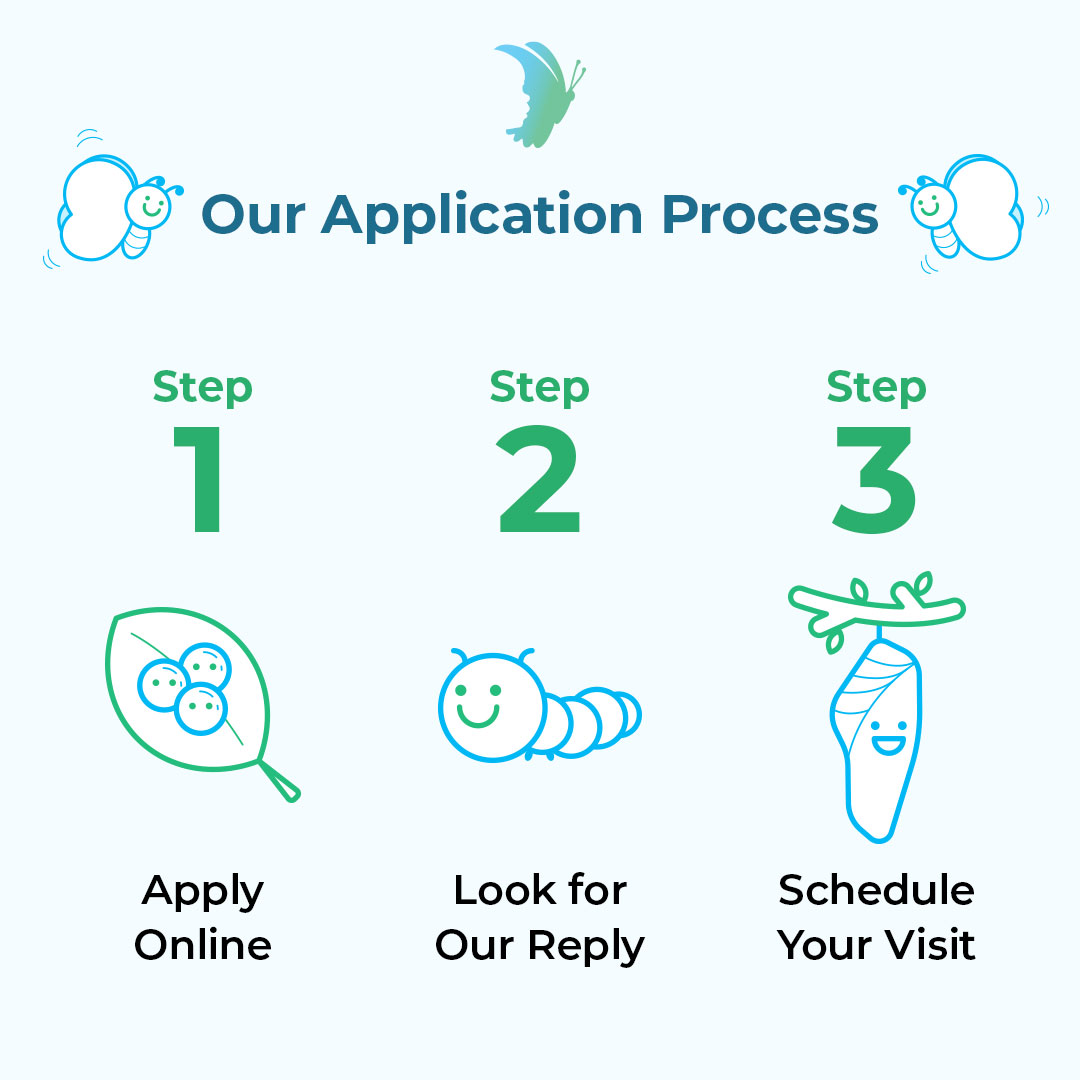
Families who are seeking assistance can begin by completing our confidential online application, which allows our medical experts to review your child’s condition and determine eligibility.
Because every child deserves the opportunity to grow with health, dignity, and confidence.
Moving Forward With Hope
Understanding your child’s diagnosis is an important step toward building a path forward.
While facial birth defects can present challenges, they also reveal incredible strength—both in children and in the families who support them.
With compassionate care, medical expertise, and a community that believes every child deserves the chance to thrive, hope is always part of the journey.
Frequently Asked Questions
Where can I find a pediatric facial specialist in my area?
Pediatric facial specialists are often located at children’s hospitals, university medical centers, or specialized treatment programs. Families may start by asking their pediatrician for a referral or searching for facial centers nearby. For those without access to local care, nonprofit organizations can help connect families with experienced medical teams. The Little Baby Face Foundation works with world-class volunteer surgeons and reviews applications from families seeking support for their child’s care.
Where can I find support groups or communities for parents of children with facial differences?
Support groups and communities can be found through hospitals, nonprofit organizations, and online platforms where parents connect and share experiences. Many families turn to social media groups, advocacy organizations, or local networks to find encouragement and guidance. These communities can help parents feel less alone and more supported as they navigate their child’s diagnosis. Connecting with others who understand the journey can provide comfort, practical advice, and a sense of shared strength.
What are the latest advancements in facial reconstructive surgery for birth defects?
Advancements in facial reconstructive care continue to improve how children are supported throughout their treatment. Innovations in surgical techniques, imaging, and personalized care planning allow medical teams to better address each child’s unique needs. These approaches can help support important functions such as hearing, breathing, and facial development over time. Children who qualify for care through the Little Baby Face Foundation receive treatment from experienced volunteer surgeons using modern techniques, with major medical costs covered.
What questions should I ask a facial surgeon?
When meeting with a facial specialist, it can be helpful to ask about your child’s diagnosis, the recommended care plan, and what to expect over time. Parents often ask how treatment may support functions like hearing, breathing, eating, or speaking, as well as what follow-up care may be needed. Understanding the overall approach and timeline can help families feel more prepared. Asking questions and staying informed allows parents to confidently advocate for their child’s care.