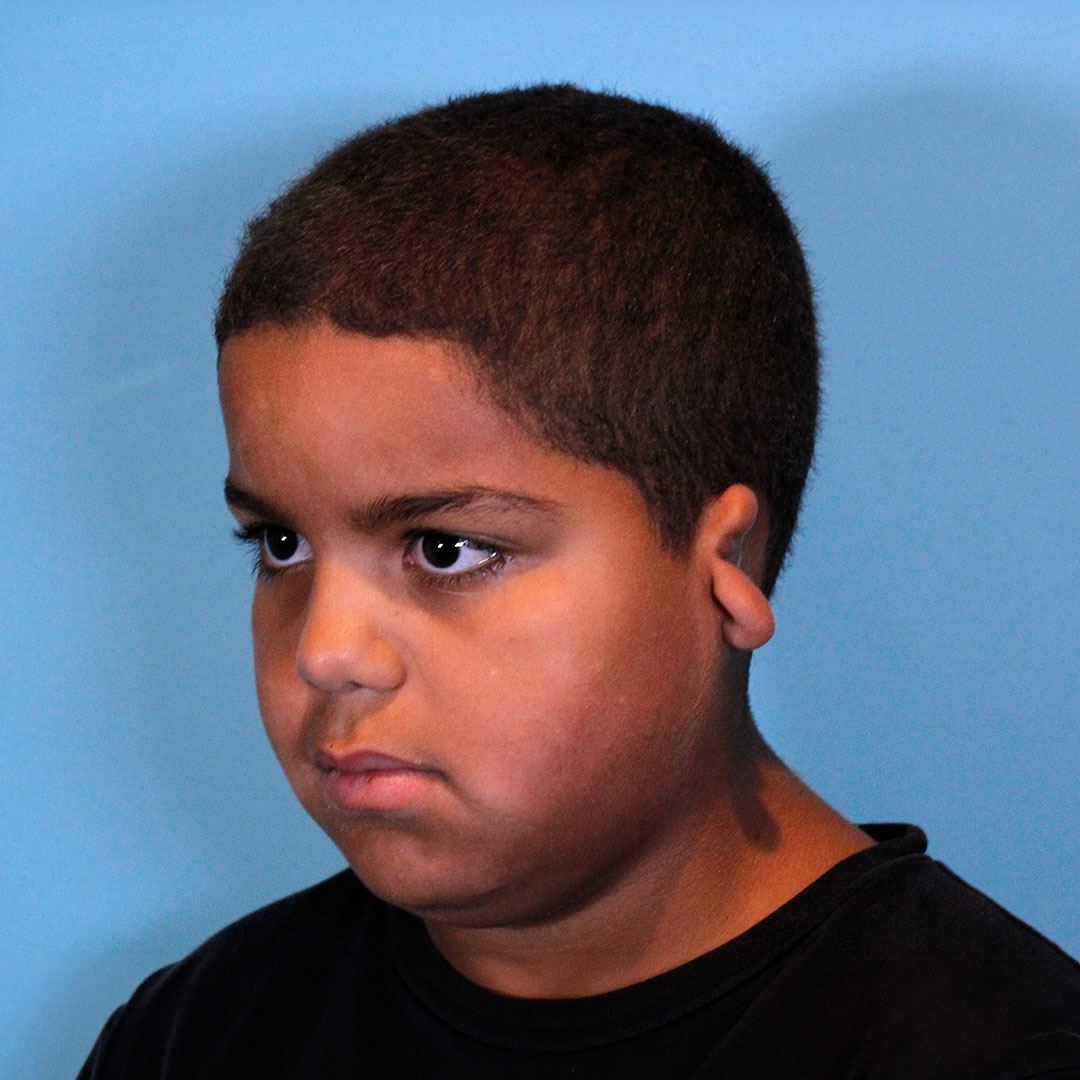
Microtia is a congenital condition in which a child is born with an underdeveloped external ear. It can range from a slightly small ear to complete absence of the outer ear. Microtia may occur on its own or as part of conditions such as hemifacial microsomia. Treatment options depend on anatomy, hearing needs, and overall health.
When a child is born with microtia, parents often have immediate questions:
Will my child be able to hear?
Will they need surgery?
Is this connected to something else?
We’re here to provide clear, accurate information — and to remind families that support is available.
What Is Microtia?
Microtia is a congenital condition affecting the development of the external ear (auricle). It occurs during early pregnancy when facial structures are forming.
Microtia can vary in severity and is typically classified into four grades:
- Grade I: A slightly smaller ear with identifiable structures
- Grade II: Partial development of the ear with a narrowed ear canal
- Grade III: Minimal ear structure (most common form)
- Grade IV (Anotia): Complete absence of the external ear
Microtia most often affects one ear (unilateral), though it can occur on both sides (bilateral).
Is Microtia Related to Hemifacial Microsomia?
In some cases, microtia occurs as part of a broader craniofacial condition called hemifacial microsomia.
Hemifacial microsomia is a congenital condition in which one side of the face does not fully develop. It can affect:
- The jaw
- The ear
- Facial muscles
- The cheek area
- Sometimes the eye region
Not every child with microtia has hemifacial microsomia, but the two conditions can occur together. When they do, careful evaluation by craniofacial specialists is important to assess jaw growth, hearing, and facial symmetry.
Understanding whether microtia is isolated or associated with hemifacial microsomia helps guide long-term planning.
How Does Microtia Affect Hearing?
Because the outer ear helps collect and direct sound, microtia may be associated with hearing differences — especially if the ear canal or middle ear structures are underdeveloped (a condition called aural atresia).
Hearing impact depends on:
- Whether one or both ears are affected
- Whether middle ear structures are present
- Inner ear development (which is often normal)
Audiologic evaluation is typically recommended to understand hearing levels and determine whether supportive devices may help.
Early hearing assessment supports speech and language development.
What Are the Treatment Options for Microtia?
Treatment planning depends on:
- Severity of ear development
- Hearing status
- Whether hemifacial microsomia is present
- Overall health and growth
Not every child requires surgery. When surgery is considered, timing is based on growth and medical factors.
Options may include:
Ear Reconstruction Surgery
Reconstructive surgery may be performed using:
- The child’s own rib cartilage
- Synthetic frameworks
- Other medically accepted techniques
These procedures are typically performed when a child is older, allowing for adequate rib cartilage growth and facial development.
Prosthetic Ear Options
In some cases, a custom prosthetic ear may be an option.
Hearing Support
If hearing is affected, bone-conduction hearing devices or other interventions may be evaluated by hearing specialists.
Treatment plans are individualized and developed by multidisciplinary teams.
Is Microtia Surgery Cosmetic?
Microtia reconstruction is considered reconstructive surgery — not cosmetic surgery.
While appearance is addressed, the goals often include:
- Structural restoration
- Symmetry
- Psychological well-being
- Social confidence
When microtia occurs alongside hemifacial microsomia, treatment planning may also include evaluation of jaw growth and facial balance.
At LBFF, we prioritize functional health — including hearing, breathing, and development — alongside reconstructive needs.
How Many Procedures Might Be Needed?
The number of procedures varies depending on:
- The type of reconstruction
- Individual anatomy
- Whether associated conditions such as hemifacial microsomia are present
Some children require staged reconstruction. Others may require fewer procedures.
Craniofacial care is often a long-term plan rather than a single event.
Accessing Reconstructive Care
For many families, cost is the most significant barrier to treatment.
Even when surgeons volunteer their time, surgery involves:
- Operating room fees
- Anesthesia
- Hospital resources
- Surgical materials
- Travel and lodging
When a child is accepted into our program, we cover these critical expenses.
Because access to medically necessary reconstructive care should not depend on financial circumstance.
How to Apply for Help
If your child has been diagnosed with microtia — whether isolated or associated with hemifacial microsomia — you may begin by completing our confidential online application.
Our medical team reviews eligibility based on medical criteria and available program capacity.
We welcome families from around the world.
Ready to take the next step?
Complete our confidential online application to begin the review process.
How Donors Help Children with Microtia
Donor support funds:
- Operating room costs
- Anesthesia
- Surgical supplies
- Travel assistance
- Lodging during recovery
While surgeon expertise is often donated, the total cost of care is not.
Every gift helps provide no-cost reconstructive surgery to children who qualify.
Frequently Asked Questions
Does every child with microtia need surgery?
No. Treatment depends on severity, hearing status, and family goals.
Is microtia genetic?
Most cases occur sporadically. In some cases, it may be associated with broader craniofacial conditions such as hemifacial microsomia.
Can children with microtia hear normally?
Some children have normal inner ear function and may hear well in one ear. Audiologic evaluation is important to assess individual hearing levels.
Is microtia life-threatening?
Microtia itself is not life-threatening. However, associated conditions should be evaluated by medical specialists.