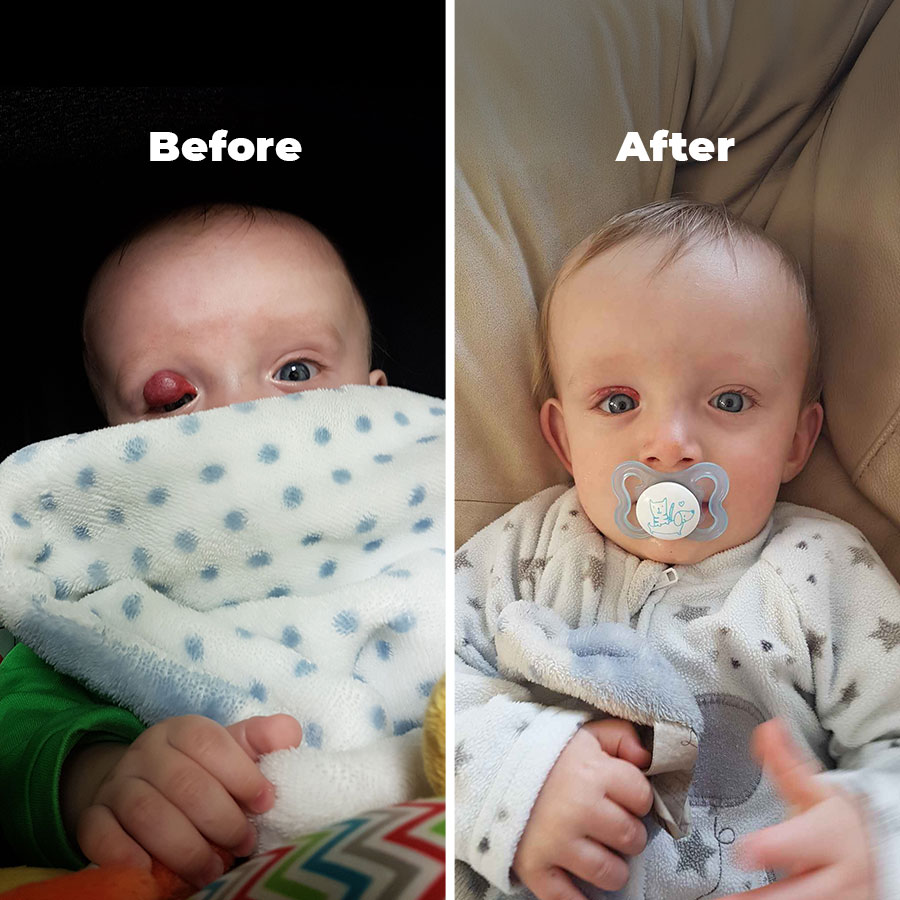
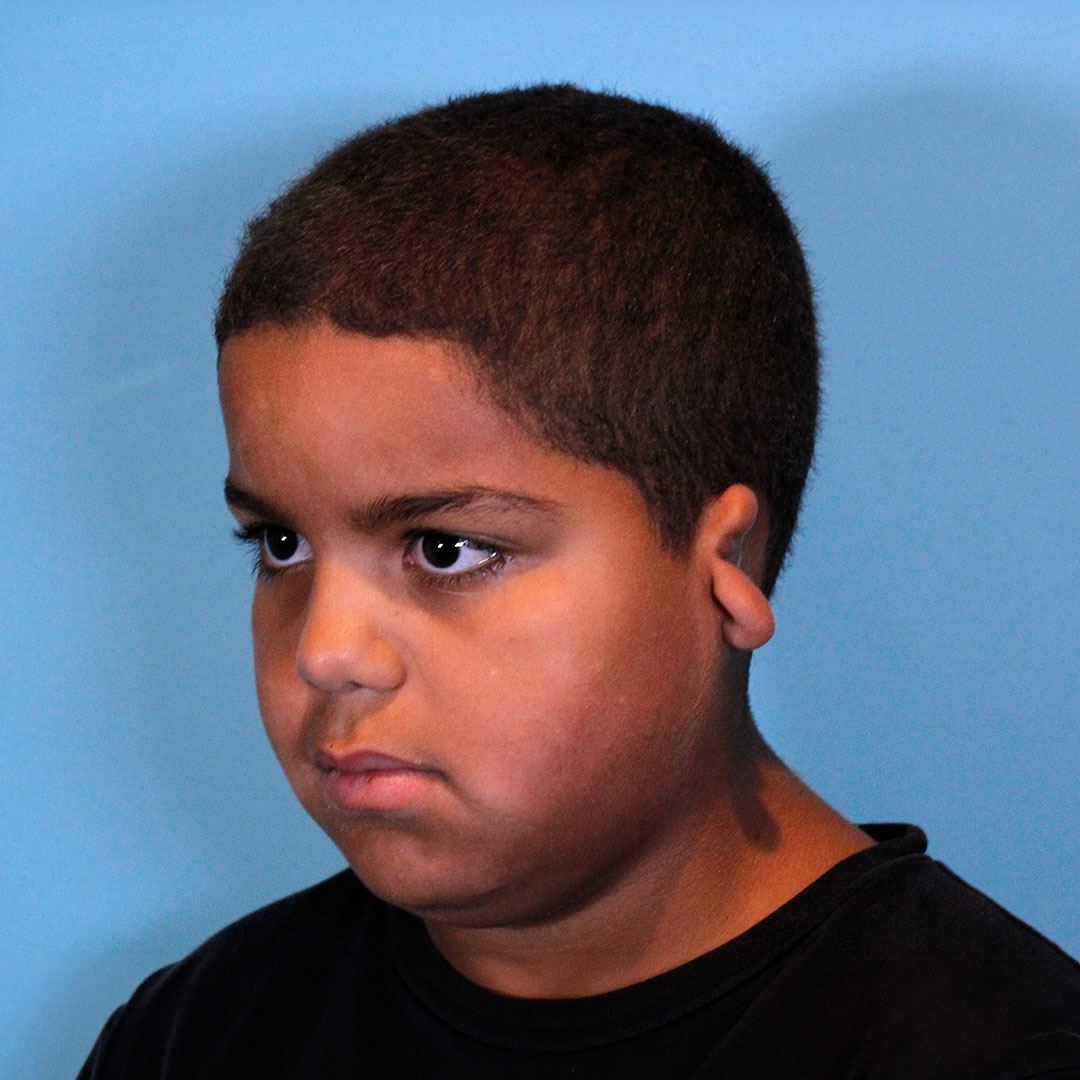
If your child was born with a facial deformity or facial difference, you are not alone, and help exists. Start by getting a medical evaluation, then look for nonprofit programs that help families access care and reduce costs. If your child may need reconstructive surgery and financial barriers are a concern, you can apply for no-cost care through organizations like the Little Baby Face Foundation (LBFF), where our medical team reviews each child’s case confidentially.
Start Here: 3 Steps Parents Can Take Today
- Get a medical evaluation. Ask for copies of your child’s records (notes, photos, and imaging, if available).
- Explore nonprofit support. Look for programs that help with surgery costs, travel, lodging, and coordinated care.
- Apply for help. Submit applications to programs that review cases and provide no-cost treatment if your child is accepted.
If you’re ready to explore care with LBFF, the first step is to complete our confidential online application.
First: Take a Breath. Help Exists
Learning that your child has a facial difference can feel overwhelming. You may have questions about:
- Surgery
- Cost
- Travel
- Long-term care
What will your child’s future look like?
Many parents tell us they feel scared, confused, or unsure where to start. The most important thing to know is this: there are organizations dedicated to helping children access medical care, even when families cannot afford it.
We have watched children who once stood where your child stands today grow up to attend college, build careers, travel, form families, and live confidently in the world. A facial difference does not limit a child’s ability to dream, achieve, and belong. With coordinated care, encouragement, and time, their future can be bright and full of opportunity.
What Kind of Treatment Might My Child Need?
Every child is unique. Depending on their diagnosis, some children may need care related to:
- Microtia
- Hemifacial microsomia
- Cleft lip and/or cleft palate
- Congenital facial asymmetry
- Facial paralysis
- Congenital ear differences
- Treacher Collins syndrome
- Goldenhar syndrome
- Other craniofacial syndromes
- Facial differences caused by illness
- Reconstructive procedures following previous surgeries
- Hearing-related procedures connected to ear differences
- Multi-stage reconstructive surgery over several years
- Coordinated surgical and follow-up care
Treatment plans vary based on diagnosis, age, and overall health. The next step is connecting with a qualified medical team that can evaluate your child’s individual needs.
What Types of Support Are Available for Families?
When families begin exploring treatment options, they often find that support extends beyond the surgery itself. Different care models and nonprofit programs may help reduce the financial, logistical, and emotional challenges that can come with a child’s medical journey.
Support may include:
Financial assistance for medical care
Some programs help cover the cost of specialized procedures, making treatment more accessible for families facing financial barriers.
Travel and lodging coordination
For families who need to travel for care, support may include transportation, accommodations, and logistical planning so caregivers can stay close to their child during treatment.
Access to specialized medical teams
Certain programs focus on connecting children with experienced surgeons and coordinated care teams who specialize in complex reconstructive procedures.
Hospital-based family support services
Pediatric care environments may include child life programs, emotional support resources, and family-centered services designed to make the experience less overwhelming.
Ongoing care and follow-up
Some children require treatment over time. Coordinated care can help ensure continuity, monitoring, and long-term support as your child grows.
Every family’s situation is different. The right path depends on your child’s medical needs, your financial circumstances, and the level of care required.
How Can I Get Financial Help for My Child’s Surgery?
Medical care can be expensive, especially when specialized reconstructive procedures are involved. Families often search for:
“Free surgery for facial deformities”
“Help pay for my child’s surgery.”
“Nonprofit surgery programs for kids”
“Financial assistance for facial treatment”
When parents ask how to get treatment for a child with a facial difference, the answer often involves finding the right kind of support for that child’s specific needs.
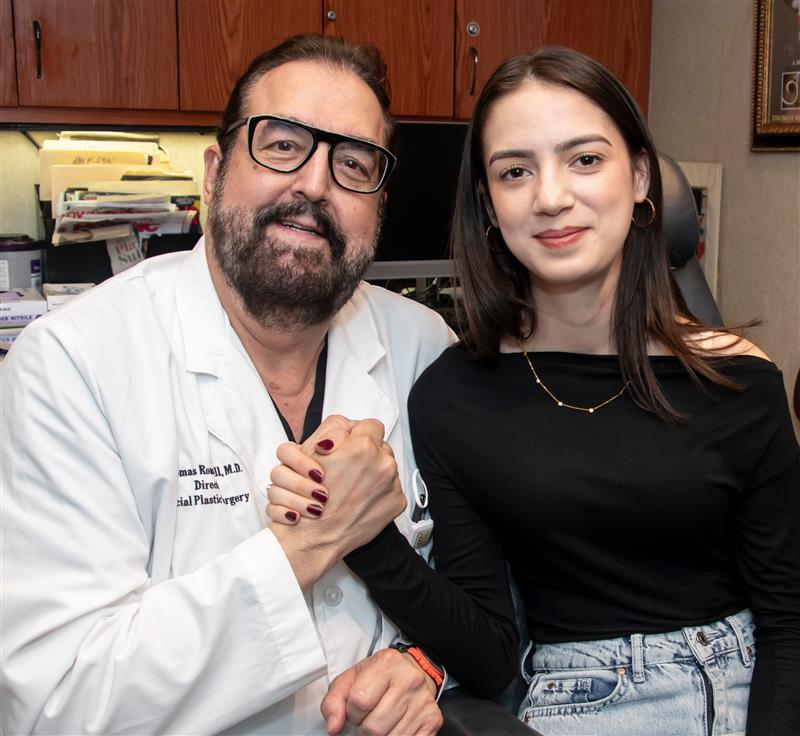
At the Little Baby Face Foundation (LBFF), we focus specifically on helping children with facial differences access comprehensive, high-quality reconstructive care. Founded in 2002 by Dr. Thomas Romo, LBFF was created after years of mission work revealed the limitations of short-term surgical trips. Our model centers on coordinated care delivered in state-of-the-art facilities in New York City.
If a child is accepted through our confidential application process, we cover the full cost of care, including:
- Specialized equipment fees
- Anesthesia
- Travel
- Lodging
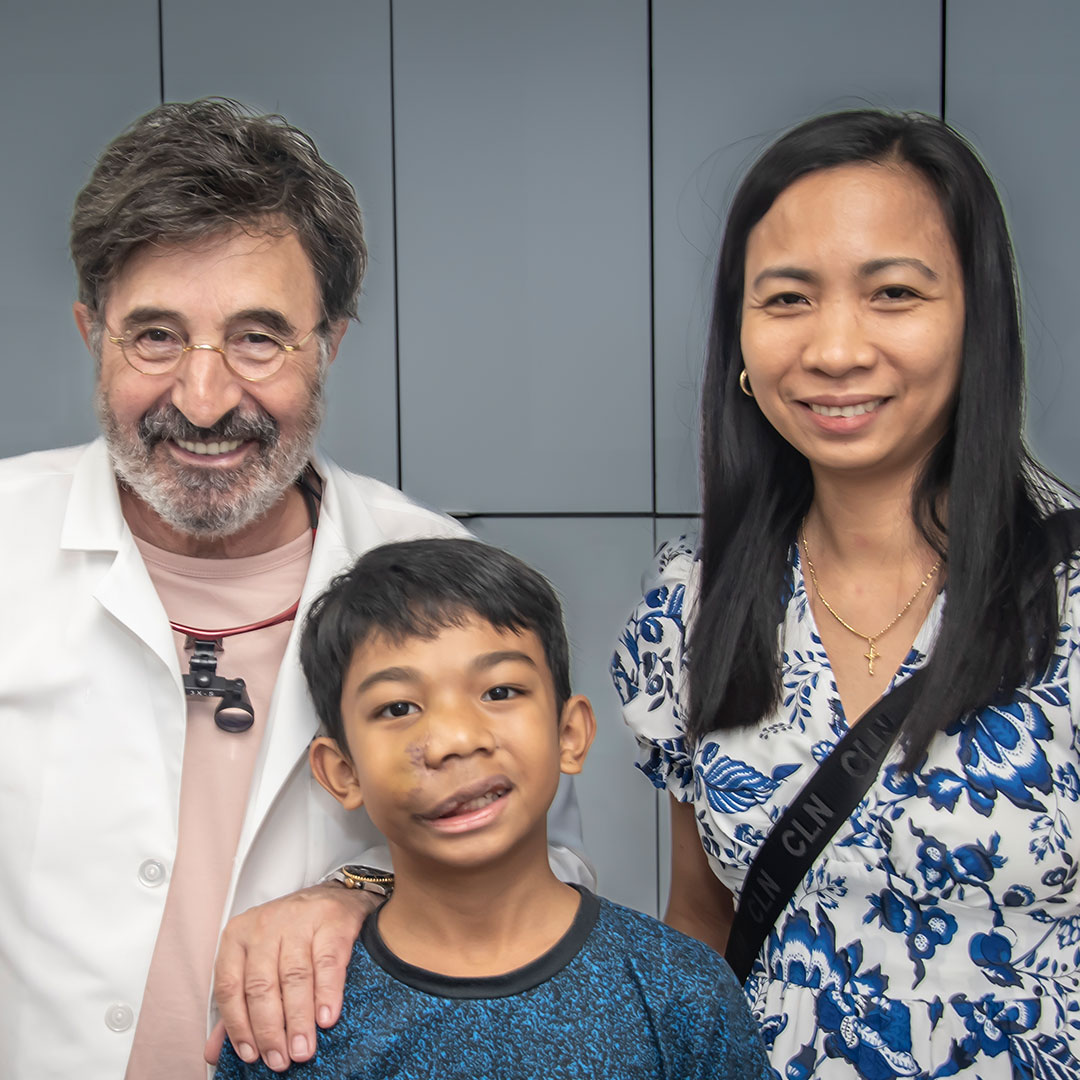
Our volunteer surgeons donate their time so families can receive life-changing care without financial burden. Our focus is clear: helping children with facial differences access reconstructive surgery and coordinated support with dignity, expertise, and compassion.
How Do I Apply for Help?
If you believe your child may qualify, the first step is simple: Complete our confidential online application.
Our medical team reviews each submission to determine eligibility. If your child is a candidate for treatment, we will guide you through next steps. Applying does not guarantee acceptance, but it is the first step toward exploring your options.
What If We Live Outside the United States?
We serve children from around the world. If your child is accepted for care, we coordinate travel and lodging so your family can safely receive treatment in New York City. Access to reconstructive care should not depend on where a child is born.
What If I’m Still Waiting for a Diagnosis?
You do not need every answer before reaching out. Many parents begin with questions like:
“My baby has a facial deformity, what do I do?”
“Is there hope for my child’s face?”
“Will my child be okay?”
Start by speaking with a qualified healthcare provider who can evaluate your child. If reconstructive care is recommended and finances are a barrier, nonprofit programs may be able to help. We encourage families to gather medical records and documentation before applying so our team can thoroughly review the case.
How Do I Know Which Organization Is Right for My Child?
Ask yourself:
“Do we need hospital lodging support?”
“Do we need help paying for surgery?”
“Is specialized reconstructive care required?”
“Are we looking for long-term coordinated treatment?”
Different nonprofits serve different roles. Some provide comfort. Some provide funding. Some coordinate surgical care.
If you would like our medical team to review your child’s case, please complete our confidential online application. We are here to help families explore their options with dignity, clarity, and hope.
If you’re wondering what to do next:
- Start with a medical evaluation.
- Explore nonprofit organizations that reduce financial barriers.
- Consider applying to programs that coordinate no-cost surgical care.
- Take one step at a time.
Help exists. Hope exists. And your child’s story is still being written.
If you are in a position to help, your generosity can remove the financial barriers that stand between a child and life-changing care. Because our surgeons volunteer their time, every donation directly covers essential costs such as specialized equipment, anesthesia, travel, and lodging for families in need.
Your support makes free, comprehensive reconstructive surgery possible. Donate today and help transform a child’s future.