
Understanding Facial and Craniofacial Differences:
Care, Surgery, and Support
Medical care for children with congenital facial birth differences can involve many conditions, specialists, and steps, and the language around it can feel overwhelming at first. This glossary breaks down commonly used terms in clear language, covering conditions, treatment planning, surgical care, family support, and access to services. Its purpose is to help families and communities feel informed, ask the right questions, and understand how Little Baby Face Foundation supports children with care that goes beyond the operating room.
This guide is designed to help families understand the language of care, reduce confusion, and know what steps to take next.
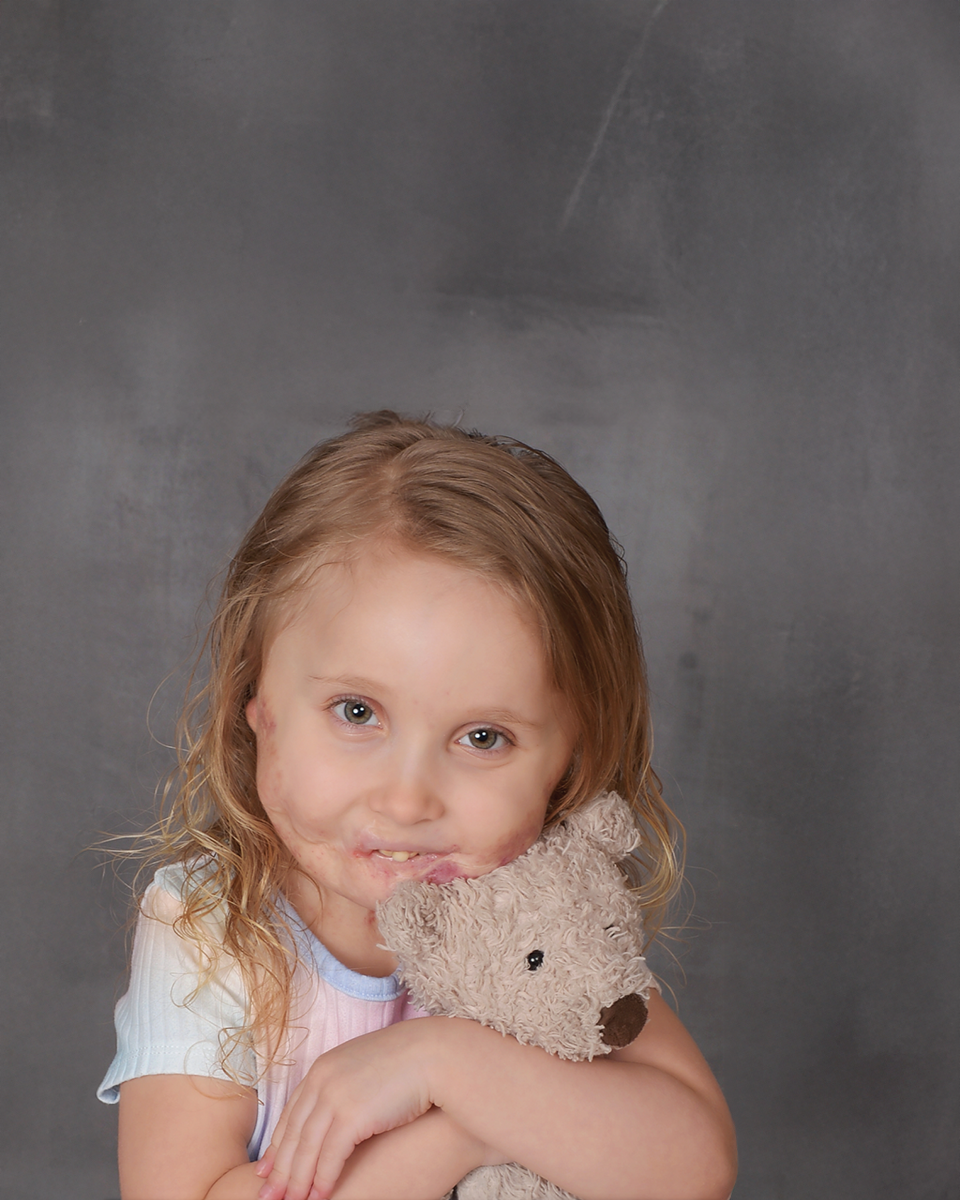
Understanding Facial and Craniofacial Differences:
Care, Surgery, and Support
Medical care for children with congenital facial birth differences can involve many conditions, specialists, and steps, and the language around it can feel overwhelming at first. This glossary breaks down commonly used terms in clear language, covering conditions, treatment planning, surgical care, family support, and access to services. Its purpose is to help families and communities feel informed, ask the right questions, and understand how Little Baby Face Foundation supports children with care that goes beyond the operating room.
This guide is designed to help families understand the language of care, reduce confusion, and know what steps to take next.
- LITTLE BABY FACE FOUNDATION IDENTITY & MISSION
- WHO LITTLE BABY FACE FOUNDATION SERVES
- FACIAL DIFFERENCES AND RELATED CONDITIONS
- EVALUATION, DIAGNOSIS AND TESTING
- SURGICAL CARE: PROCEDURES AND APPROACHES
- TIMING, TREATMENT PLANNING, AND “WHAT TO EXPECT”
- FINANCIAL ASSISTANCE AND ACCESS PATHWAYS
- EXPERTISE, STANDARDS, AND TRUST SIGNALS
- WAYS TO HELP: DONORS, VOLUNTEERS, FUNDRAISING
- HOW LITTLE BABY FACE FOUNDATION CAN SUPPORT YOUR CHILD
The purpose, values, and goals of Little Baby Face Foundation are to provide free medical care, education, and support so that children with facial differences can live with confidence and joy.
- 501(c)(3) Nonprofit Organization: A type of charity recognized by the U.S. government. It means Little Baby Face Foundation was created to help others, not make a profit, and donations can be tax-deductible. The foundation was started to fill a gap in care for children who need specialized facial surgery but may not have access to it.
-
- Comprehensive Support (Beyond Surgery): Comprehensive support means helping children and families in more ways than just surgery. This includes guidance before treatment, care after surgery, and support that helps children grow, heal, and feel confident over time.
- Access-Focused Healthcare: Access-focused healthcare means making sure children can get the medical care they need, even if cost, location, or other barriers would normally stand in the way. Little Baby Face Foundation works to remove those barriers so care is based on need, not ability to pay.
- Equity in Pediatric Care: Equity in pediatric care means giving every child a fair chance to receive quality medical treatment. It recognizes that some families need extra support to access care and focuses on meeting children where they are.
- Charity-Funded Medical Care: Charity-funded medical care is treatment paid for through donations and fundraising instead of families paying out of pocket. This allows children to receive life-changing care without financial burden.
- Nonprofit–Hospital Collaboration: Nonprofit–hospital collaboration refers to partnerships between Little Baby Face Foundation and medical providers. These partnerships help connect children to experienced surgeons, hospitals, and care teams so treatment can happen safely and effectively.
- Family Lodging Support (Ronald McDonald House Partnership): Family lodging support helps reduce the burden of travel when a child needs specialized medical care away from home. Through our partnership with Ronald McDonald House Charities, families whose children are accepted for care may receive lodging for a parent/caregiver. This support allows families to stay close to their child during treatment and recovery, without the added stress of finding or affording accommodations.
How can I verify the legitimacy of a medical charity?
You can verify a medical charity by checking that it is registered as a 501(c)(3) nonprofit organization. This status shows the charity is recognized by the U.S. government and must follow strict rules about how money is used. You can also review the charity’s website, look for clear information about its mission and programs, and confirm it works with trusted medical professionals or hospitals.
How are donations used by medical charities like Little Baby Face Foundation?
Donations are used to support medical care for children, including surgeries, hospital services, and related treatment needs. Funds may also help cover care coordination, follow-up support, and partnerships with medical teams and hospitals. Reputable medical charities are careful to use donations in ways that directly support their mission and the children they serve.
What are the tax benefits of donating to nonprofit medical charities?
Donations made to a 501(c)(3) nonprofit medical charity are often tax-deductible. This means donors may be able to deduct their contribution when filing taxes, which can lower taxable income. Tax benefits can vary based on individual situations, so donors may want to consult a tax professional for specific guidance.
Little Baby Face supports children and families, with a focus on those born with congenital facial and ear differences who need access to specialized medical care.
- Underserved Populations: Underserved populations are groups of people who have a harder time getting the healthcare they need. This may be due to cost, location, insurance limits, or lack of access to specialists.
- Healthcare Access Barriers: Healthcare access barriers are challenges that make it difficult for families to receive medical care. These can include high costs, long travel distances, long wait times, or limited availability of specialized doctors.
- Complex Pediatric Care: Complex pediatric care refers to medical treatment for children who need specialized or ongoing care. These children may require expert doctors, careful planning, or more than one step of treatment over time.
- Financial Barriers to Care: Financial barriers to care are money-related challenges that prevent families from getting medical treatment. This can include high surgery costs, lack of insurance coverage, or expenses related to travel and recovery.
- Specialty Surgical Care: Specialty surgical care is surgery provided by doctors with advanced training in specific areas. For Little Baby Face Foundation, this includes surgeons experienced in treating facial and ear differences in children.
- Medical Eligibility: Medical eligibility is the process of determining whether a child’s condition can be treated through Little Baby Face Foundation’s programs. Medical teams review each case to make sure the foundation can provide safe and effective care.
- Specialty Care Access: Specialty care access means the ability to receive treatment from highly trained medical specialists. Little Baby Face Foundation helps connect children to the expert care they may not otherwise be able to reach.
- Ability-to-Pay Status: Ability-to-pay status refers to whether a family can afford medical care without assistance. Little Baby Face Foundation focuses on low-income families without access to care, helping children receive care regardless of their families’ financial situation.
Who qualifies for help from Little Baby Face Foundation?
Little Baby Face Foundation supports children born with facial or ear differences who need specialized medical care. Each application is reviewed by a medical team to determine if the foundation can provide effective support.
Does family income affect whether a child can receive care?
Little Baby Face Foundation focuses on medical need, not income alone. Families facing financial barriers are encouraged to apply so their child can be considered for care.
Can families without access to specialists still receive help?
Yes. Little Baby Face Foundation works to connect children to experienced surgeons and medical teams, even when families do not have easy access to specialty care in their area.
The facial and ear-related conditions treated through Little Baby Face Foundation, covering a wide range of congenital differences that can affect appearance, health, and daily life.
-
- Facial Differences: Differences in how a child’s face looks or develops, involving areas like the lips, nose, jaw, or cheeks. These are present at birth and may affect appearance, health, or both.
- Ear Differences: Conditions where one or both ears do not fully form or work as expected. These may affect how a child hears, how the ear looks, or both.
- Congenital Facial Conditions: Conditions that develop during early pregnancy and are present when a child is born. They are not caused by anything a parent did before or during pregnancy.
- Syndromic vs. Non-Syndromic Conditions: Some conditions occur as part of a larger genetic pattern that may affect other parts of the body, while others affect only the face or head and are not linked to a broader genetic condition.
- Microtia: When a child is born with one or both ears that did not fully form. The ear may be small, shaped differently, or missing. This can affect hearing and appearance, and care may include ear reconstruction and hearing support.
- Goldenhar Syndrome: A rare pattern of facial development that begins before birth. It often involves the ears, jaw, and eyes, and may cause one side of the face to look different from the other. Care is based on how each child is affected.
- Treacher Collins Syndrome: A genetic diagnosis that affects how the bones and tissues of the face grow. The cheekbones, jaw, and ears may develop differently, and hearing challenges are common. Medical care focuses on breathing, hearing, and facial support as a child grows.
- Pierre Robin Sequence: A set of features present at birth that includes a small lower jaw and a tongue that sits farther back than usual. These features can make breathing or feeding harder. Treatment focuses on keeping the airway open and supporting healthy growth.
- Cleft Lip and Palate: When the upper lip does not fully close during early development before birth. This creates an opening in the lip that can affect appearance, feeding, and speech. Surgery is commonly used to repair the lip and support development.
- Facial Palsy: Limited movement or weakness in the muscles on one side of the face. This can affect smiling, blinking, and facial expressions. It may be present at birth or happen later, and care depends on how the facial muscles are affected.
- Hemifacial Microsomia: Uneven growth of the face, where one side develops less than the other. This may involve the jaw, ear, muscles, or soft tissue. Changes can become more noticeable over time, and care is often planned in stages.
- Ear Reconstruction: Surgery used to rebuild or reshape an ear that did not fully form. This can help improve appearance and may also support hearing. The timing and approach depend on the child’s age and needs.
- Hemangioma: A birthmark made up of extra blood vessels, often appearing red or raised on the skin. Some shrink over time on their own, while others may need treatment if they affect health or appearance.
- Hairy Nevus: A dark patch of skin present at birth that may grow hair. Size can vary from small to large. Care may involve monitoring or surgery, especially if the area is large or changing.
Are facial differences common?
Some facial differences are more common than others. While some conditions are rare, many families experience them, and specialized care can make a meaningful difference.
Can facial conditions affect a child’s daily life?
Yes. Some conditions may affect breathing, hearing, eating, or speaking. Others may affect appearance and confidence. Treatment is focused on improving health, function, and quality of life.
How do I book a consultation for facial reconstructive surgery evaluation?
To begin a consultation, families start by submitting an application to Little Baby Face Foundation. The medical team reviews the child’s information to see if the foundation can help. If the child is approved, a consultation is scheduled with the appropriate medical professionals to discuss next steps and create a treatment plan.
The medical reviews and assessments used to understand a child’s condition and determine the most effective and appropriate care plan.
Medical Eligibility Review: A careful review of a child’s medical information to decide whether Little Baby Face Foundation can safely and effectively help. This review assesses the child’s condition and medical needs, and whether the foundation’s resources are the right fit for care.
How to prepare for an initial congenital facial difference consultation: Checklist
Before the consultation:
- Gather your child’s medical records and test results
- Bring notes from previous doctors, if available
- Write down any questions or concerns you have
- Take note of your child’s symptoms or changes you’ve noticed
During the consultation:
- Share your child’s medical history
- Ask questions about care options and next steps
- Take notes or ask for written information
After the consultation:
- Review what was discussed
- Ask who to contact if you have follow-up questions
- Take time to consider the recommended next steps
Does applying mean surgery is guaranteed?
No. Submitting an application starts the review process, but surgery is only offered if the medical team determines it is appropriate and beneficial for the child.
What information is needed for a medical review?
Families are usually asked to provide medical records, test results, photos, and details about the child’s condition. This information helps the medical team make informed decisions about care.
The types of reconstructive and functional surgeries supported by Little Baby Face Foundation to improve breathing, hearing, speech, appearance, and overall quality of life.
- Reconstructive Surgery: Surgery that helps repair or rebuild parts of the face, head, or ears so they work better and look more typical. This type of care supports both physical health and confidence.
- Functional Surgery: Surgery that focuses on helping a child breathe, hear, eat, or speak more easily. Improving daily function is often the main goal of this type of care.
- Medically Necessary Surgery: Surgery that is needed to protect a child’s health or development. These procedures are done because they improve safety, function, or long-term well-being, not for cosmetic reasons.
- Staged Surgical Care: Care that happens in more than one step over time. Some children need multiple procedures as they grow, and each step is planned to support healthy development.
Why do some children need reconstructive or functional surgery?
Some children are born with differences that affect how their face, head, or ears work or look. Surgery can help improve breathing, hearing, speech, and overall health, while also supporting confidence.
Is this type of surgery cosmetic?
No. The surgeries supported by Little Baby Face Foundation are done to improve health, function, and quality of life. They are considered medically necessary, not cosmetic.
Will my child need more than one surgery?
Some children need only one procedure, while others need care in stages as they grow. The medical team plans treatment based on what is safest and most helpful for each child.
How care is planned and delivered over time, including what families can expect before, during, and after treatment, whether care involves one surgery or multiple stages.
- Individualized Treatment Planning: A care plan created specifically for each child based on their condition, age, and needs. No two plans are the same, and care is designed to support healthy growth and development.
- Short-Term vs. Long-Term Care: Some care happens over a short period of time, while other care continues over months or years. The length of care depends on the child’s needs and how their condition changes as they grow.
- Recovery Expectations: General guidance on what healing may look like after treatment. This includes rest, follow-up visits, and time for the body to heal, with support from the medical team along the way.
- Long-Term Outcomes: The results families may see over time, including improvements in health, daily function, appearance, and overall quality of life as a child grows.
How long does facial treatment usually take?
The length of treatment varies for each child. Some children need one procedure, while others need care over several years as they grow. The medical team helps families understand what to expect.
What should families expect during recovery?
Recovery usually includes rest, follow-up visits, and time for healing. Families receive guidance on care at home and when to return for checkups.
Will treatment affect my child as they grow?
Care is planned with growth in mind. Long-term planning helps support healthy development and positive outcomes as a child gets older.
How Little Baby Face Foundation removes financial barriers to care by covering medical costs and guiding families through eligibility and application processes.
- Charitable Medical Care: Medical procedures are donated pro bono by our partner surgeons. Donations cover travel, lodging, supplies, and other miscellaneous expenses. This allows children to receive needed care without financial stress.
- Access Pathways: The steps and support systems that help families connect to medical care. These pathways guide families from application through approval and treatment.
- Application and Approval Process: The process families follow to apply for help and have their child’s case reviewed. Medical teams carefully review each application to decide how the foundation can help.
Does Little Baby Face Foundation cover the full cost of surgery?
Little Baby Face Foundation works with partner surgeons for pro bono care. And donations cover travel, lodging, supplies, and other miscellaneous expenses related to medical care when a child is approved. Coverage details may vary depending on the child’s needs and treatment plan.
How do families apply for financial assistance?
Families start by submitting an application with medical information about their child. The medical team reviews the application and follows up if more information is needed.
Does insurance affect whether a child can receive help?
Insurance status is considered, but it does not automatically prevent a child from receiving help. The foundation focuses on medical needs and works to reduce financial barriers whenever possible.
The medical experience, professional standards, and trusted partnerships that ensure safe, high-quality, and ethical care for every child.
- Medical Standards of Care: Established guidelines that help doctors provide safe and effective treatment. These standards are based on medical knowledge and best practices used across pediatric care.
- Nonprofit Accountability: Responsibility to use donations and resources properly and honestly. This includes following nonprofit rules, being transparent, and staying focused on the mission.
- Ethical Medical Care: Care that puts the child’s well-being first and respects families throughout the treatment process. Decisions are made carefully, with honesty and compassion.
- Patient Safety: Steps taken to protect children before, during, and after medical care. This includes careful planning, trained professionals, and follow-up care to reduce risk.
- Trusted Medical Partners: Hospitals, surgeons, and medical teams that work with Little Baby Face Foundation to provide care. These partners are chosen for their experience and commitment to children’s health.
- Experienced Surgical Teams: Medical professionals with advanced training and experience in treating facial and ear differences in children. Their expertise helps ensure high-quality outcomes.
How does Little Baby Face Foundation ensure high-quality medical care?
The foundation works with experienced surgeons and trusted medical partners who follow established medical standards. Each child’s care is carefully reviewed and planned.
How does Little Baby Face Foundation choose its medical partners?
Medical partners are selected based on experience, training, and a strong track record of caring for children with facial differences. Little Baby Face Foundation works with hospitals and surgeons who follow high medical standards and share a commitment to safe, ethical, and child-focused care.
Is my child’s safety a priority during treatment?
Yes. Patient safety is central to every step of care. Medical teams follow safety guidelines and provide follow-up support to help protect each child’s health and recovery.
Opportunities for individuals and organizations to support the Little Baby Face Foundation through donations, volunteering, and fundraising to expand access to care.
- Charitable Giving: The act of donating money or resources to support the foundation’s mission. As a 501(c)(3) nonprofit organization, donations to Little Baby Face Foundation are tax-deductible, which may provide tax benefits to donors. These contributions help fund medical care and support for children in need.
- Fundraising Impact: The positive results made possible through fundraising efforts. This includes helping more children receive care and expanding access to life-changing medical services.
- Nonprofit Sustainability: The ability of the foundation to continue its work over time. Sustainable support helps ensure care can be provided not just today, but in the future.
- Community Involvement: Ways individuals and groups come together to support the foundation’s mission. This can include volunteering, hosting events, or raising awareness.
- Corporate Partnerships: Collaborations with businesses that support the foundation through donations, sponsorships, or shared initiatives to help more children receive care.
How can I support Little Baby Face Foundation?
You can support the foundation by making a donation, participating in fundraising efforts, or getting involved through community or corporate partnerships. Every contribution helps expand access to care for children in need.
How does fundraising help children receive medical care?
Fundraising provides the financial support needed to cover travel and lodging, medical supplies, and care coordination. These efforts help more children receive treatment without financial barriers.
Can businesses or organizations partner with Little Baby Face Foundation?
Yes. Businesses and organizations can support the foundation through partnerships, sponsorships, or fundraising initiatives that align with the mission of helping children.
If you’ve made it through the More Than Surgery glossary, you’ve already taken an important first step. Learning the language around facial, craniofacial, and ear differences isn’t easy, especially when it’s connected to your child. Medical terms, treatment timelines, and decisions about care can feel overwhelming at first. That’s exactly why this glossary exists — to help replace confusion with clarity.
A common thought after reading through everything is simple: Okay… what happens next?
That’s a completely normal place to be.
Is Little Baby Face Foundation the right place to turn?
Little Baby Face Foundation supports children born with facial and ear differences who need specialized medical care. Many of the families they help face barriers that make care difficult to access, cost, limited availability of specialists, or insurance challenges. Care decisions are based on medical need, not income alone.
You might be wondering whether your child qualifies or if it’s “too early” to reach out. In most cases, the best first step is simply to apply. Submitting an application doesn’t commit you to surgery or treatment. It starts a medical review process designed to understand your child’s needs and determine whether the foundation can help.
How does the process actually work?
Families begin by submitting an application with basic medical information and records. From there, a medical team reviews the details to see if Little Baby Face Foundation can safely and effectively provide support. If the child is approved, a consultation is scheduled so families can talk through options, timing, and next steps with experienced medical professionals.
Some children may need only one procedure. Others may need care planned over time as they grow. This is why treatment planning is individualized; there is no single path that fits every child. Care is designed around health, development, and long-term well-being, not speed or shortcuts.
What should families expect during treatment and recovery?
Another common question parents ask themselves is what recovery will look like. While every child’s experience is different, families are guided through what to expect before treatment, during healing, and after surgery. This often includes follow-up visits, rest, and time for the body to heal.
You may also be wondering whether treatment will affect your child as they grow. Growth is always part of the planning process. Long-term outcomes are considered carefully, so care supports both immediate health and future development.
How is care paid for?
One of the biggest concerns families face is cost. Specialized surgery and hospital care can be expensive, and financial stress can make an already difficult situation even harder. Little Baby Face Foundation works to remove these barriers by providing charity-funded medical care.
When a child is approved, the foundation helps cover surgery and related medical services. Insurance status is considered, but it does not automatically disqualify a family. Each situation is reviewed individually, with the goal of expanding access to care whenever possible.
Can families trust the care being provided?
Trust matters, especially when it comes to your child. Little Baby Face Foundation works with experienced surgical teams and trusted medical partners who follow established standards of care and prioritize patient safety. As a 501(c)(3) nonprofit organization, the foundation is also accountable for how donations are used and how decisions are made.
For families, this means care is thoughtful, ethical, and centered on the child. For donors and supporters, it means contributions are used responsibly to help children who truly need support.
So, what’s the right next step?
If you’re a parent or caregiver, the next step is to submit an application. You don’t need to have every answer yet; the review process exists to help guide you. Applying opens the door to understanding what support may be available for your child.
If you’re a donor, volunteer, or community member, your involvement helps make this care possible. Fundraising, charitable giving, and partnerships directly expand access to life-changing medical care for children and families.
The glossary was created to help you understand the language of care. The next step is about action. Taken at your own pace, with support, and with your child’s best interests at the center.
The Little Baby Face Foundation is here to help children face the world with confidence and joy, and to help families feel supported along the way.
Little Baby Face Foundation is a nonprofit organization that supports children born with facial and ear differences by providing access to reconstructive care and comprehensive family support.
LITTLE BABY FACE FOUNDATION IDENTITY & MISSION
- 501(c)(3) Nonprofit Organization: A type of charity recognized by the U.S. government. It means Little Baby Face Foundation was created to help others, not make a profit, and donations can be tax-deductible. The foundation was started to fill a gap in care for children who need specialized facial surgery but may not have access to it.
- Comprehensive Support (Beyond Surgery): Comprehensive support means helping children and families in more ways than just surgery. This includes guidance before treatment, care after surgery, and support that helps children grow, heal, and feel confident over time.
- Access-Focused Healthcare: Access-focused healthcare means making sure children can get the medical care they need, even if cost, location, or other barriers would normally stand in the way. Little Baby Face Foundation works to remove those barriers so care is based on need, not ability to pay.
- Equity in Pediatric Care: Equity in pediatric care means giving every child a fair chance to receive quality medical treatment. It recognizes that some families need extra support to access care and focuses on meeting children where they are.
- Charity-Funded Medical Care: Charity-funded medical care is treatment paid for through donations and fundraising instead of families paying out of pocket. This allows children to receive life-changing care without financial burden.
- Nonprofit–Hospital Collaboration: Nonprofit–hospital collaboration refers to partnerships between Little Baby Face Foundation and medical providers. These partnerships help connect children to experienced surgeons, hospitals, and care teams so treatment can happen safely and effectively.
- Family Lodging Support (Ronald McDonald House Partnership): Family lodging support helps reduce the burden of travel when a child needs specialized medical care away from home. Through our partnership with Ronald McDonald House Charities, families whose children are accepted for care may receive lodging for a parent/caregiver. This support allows families to stay close to their child during treatment and recovery, without the added stress of finding or affording accommodations.
You can verify a medical charity by checking that it is registered as a 501(c)(3) nonprofit organization. This status shows the charity is recognized by the U.S. government and must follow strict rules about how money is used. You can also review the charity’s website, look for clear information about its mission and programs, and confirm it works with trusted medical professionals or hospitals.
How are donations used by medical charities like Little Baby Face Foundation?
Donations are used to support medical care for children, including surgeries, hospital services, and related treatment needs. Funds may also help cover care coordination, follow-up support, and partnerships with medical teams and hospitals. Reputable medical charities are careful to use donations in ways that directly support their mission and the children they serve.
What are the tax benefits of donating to nonprofit medical charities?
Donations made to a 501(c)(3) nonprofit medical charity are often tax-deductible. This means donors may be able to deduct their contribution when filing taxes, which can lower taxable income. Tax benefits can vary based on individual situations, so donors may want to consult a tax professional for specific guidance.
WHO LITTLE BABY FACE FOUNDATION SERVES
- Underserved Populations: Underserved populations are groups of people who have a harder time getting the healthcare they need. This may be due to cost, location, insurance limits, or lack of access to specialists.
- Healthcare Access Barriers: Healthcare access barriers are challenges that make it difficult for families to receive medical care. These can include high costs, long travel distances, long wait times, or limited availability of specialized doctors.
- Complex Pediatric Care: Complex pediatric care refers to medical treatment for children who need specialized or ongoing care. These children may require expert doctors, careful planning, or more than one step of treatment over time.
- Financial Barriers to Care: Financial barriers to care are money-related challenges that prevent families from getting medical treatment. This can include high surgery costs, lack of insurance coverage, or expenses related to travel and recovery.
- Specialty Surgical Care: Specialty surgical care is surgery provided by doctors with advanced training in specific areas. For Little Baby Face Foundation, this includes surgeons experienced in treating facial, craniofacial, and ear differences in children.
- Medical Eligibility: Medical eligibility is the process of determining whether a child’s condition can be treated through Little Baby Face Foundation’s programs. Medical teams review each case to make sure the foundation can provide safe and effective care.
- Specialty Care Access: Specialty care access means the ability to receive treatment from highly trained medical specialists. Little Baby Face Foundation helps connect children to the expert care they may not otherwise be able to reach.
- Ability-to-Pay Status: Ability-to-pay status refers to whether a family can afford medical care on their own. Little Baby Face Foundation focuses on need, not income, helping children receive care regardless of a family’s financial situation.
Little Baby Face Foundation supports children born with facial, craniofacial, or ear differences who need specialized medical care. Each application is reviewed by a medical team to determine if the foundation can provide effective support.
Does family income affect whether a child can receive care?
Little Baby Face Foundation focuses on medical need, not income alone. Families facing financial barriers are encouraged to apply so their child can be considered for care.
Can families without access to specialists still receive help?
Yes. Little Baby Face Foundation works to connect children to experienced surgeons and medical teams, even when families do not have easy access to specialty care in their area.
CRANIOFACIAL AND RELATED CONDITIONS
- Facial Differences: Differences in how a child’s face looks or develops, involving areas like the lips, nose, jaw, or cheeks. These are present at birth and may affect appearance, health, or both.
- Craniofacial Differences: Conditions that involve the growth and structure of the head and face, including the skull. These can affect how the face develops over time and may require specialized medical care.
- Ear Differences: Conditions where one or both ears do not fully form or work as expected. These may affect how a child hears, how the ear looks, or both.
- Congenital Facial Conditions: Conditions that develop during early pregnancy and are present when a child is born. They are not caused by anything a parent did before or during pregnancy.
- Syndromic vs. Non-Syndromic Conditions: Some conditions occur as part of a larger genetic pattern that may affect other parts of the body, while others affect only the face or head and are not linked to a broader genetic condition.
- Functional vs. Appearance-Related Conditions: Some conditions affect daily activities like breathing, hearing, eating, or speaking. Others mainly affect how a child looks but can still impact confidence and emotional well-being. Many conditions affect both.
- Microtia: When a child is born with one or both ears that did not fully form. The ear may be small, shaped differently, or missing. This can affect hearing and appearance, and care may include ear reconstruction and hearing support.
- Goldenhar Syndrome: A rare pattern of facial development that begins before birth. It often involves the ears, jaw, and eyes, and may cause one side of the face to look different from the other. Care is based on how each child is affected.
- Treacher Collins Syndrome: A genetic diagnosis that affects how the bones and tissues of the face grow. The cheekbones, jaw, and ears may develop differently, and hearing challenges are common. Medical care focuses on breathing, hearing, and facial support as a child grows.
- Pierre Robin Sequence: A set of features present at birth that includes a small lower jaw and a tongue that sits farther back than usual. These features can make breathing or feeding harder. Treatment focuses on keeping the airway open and supporting healthy growth.
- Cleft Lip: When the upper lip does not fully close during early development before birth. This creates an opening in the lip that can affect appearance, feeding, and speech. Surgery is commonly used to repair the lip and support development.
- Facial Palsy: Limited movement or weakness in the muscles on one side of the face. This can affect smiling, blinking, and facial expressions. It may be present at birth or happen later, and care depends on how the facial muscles are affected.
- Hemifacial Microsomia: Uneven growth of the face, where one side develops less than the other. This may involve the jaw, ear, muscles, or soft tissue. Changes can become more noticeable over time, and care is often planned in stages.
- Ear Reconstruction: Surgery used to rebuild or reshape an ear that did not fully form. This can help improve appearance and may also support hearing. The timing and approach depend on the child’s age and needs.
- Hemangioma: A birthmark made up of extra blood vessels, often appearing red or raised on the skin. Some shrink over time on their own, while others may need treatment if they affect health or appearance.
- Hairy Nevus: A dark patch of skin present at birth that may grow hair. Size can vary from small to large. Care may involve monitoring or surgery, especially if the area is large or changing.
Some facial and craniofacial differences are more common than others. While some conditions are rare, many families experience them, and specialized care can make a meaningful difference.
Can craniofacial conditions affect a child’s daily life?
Yes. Some conditions may affect breathing, hearing, eating, or speaking. Others may affect appearance and confidence. Treatment is focused on improving health, function, and quality of life.
How do I book a consultation for a craniofacial surgery evaluation?
To begin a consultation, families start by submitting an application to Little Baby Face Foundation. The medical team reviews the child’s information to see if the foundation can help. If the child is approved, a consultation is scheduled with the appropriate medical professionals to discuss next steps and create a treatment plan.
EVALUATION, DIAGNOSIS AND TESTING
Medical Eligibility Review: A careful review of a child’s medical information to decide whether Little Baby Face Foundation can safely and effectively help. This review assesses the child’s condition and medical needs, and whether the foundation’s resources are the right fit for care.
How to prepare for an initial craniofacial consultation: Checklist
Before the consultation:
- Gather your child’s medical records and test results
- Bring notes from previous doctors, if available
- Write down any questions or concerns you have
- Take note of your child’s symptoms or changes you’ve noticed
- Share your child’s medical history
- Ask questions about care options and next steps
- Take notes or ask for written information
- Review what was discussed
- Ask who to contact if you have follow-up questions
- Take time to consider the recommended next steps
No. Submitting an application starts the review process, but surgery is only offered if the medical team determines it is appropriate and beneficial for the child.
What information is needed for a medical review?
Families are usually asked to provide medical records, test results, and details about the child’s condition. This information helps the medical team make informed decisions about care.
SURGICAL CARE: PROCEDURES AND APPROACHES
- Reconstructive Surgery: Surgery that helps repair or rebuild parts of the face, head, or ears so they work better and look more typical. This type of care supports both physical health and confidence.
- Functional Surgery: Surgery that focuses on helping a child breathe, hear, eat, or speak more easily. Improving daily function is often the main goal of this type of care.
- Medically Necessary Surgery: Surgery that is needed to protect a child’s health or development. These procedures are done because they improve safety, function, or long-term well-being, not for cosmetic reasons.
- Staged Surgical Care: Care that happens in more than one step over time. Some children need multiple procedures as they grow, and each step is planned to support healthy development.
Some children are born with differences that affect how their face, head, or ears work or look. Surgery can help improve breathing, hearing, speech, and overall health, while also supporting confidence.
Is this type of surgery cosmetic?
No. The surgeries supported by Little Baby Face Foundation are done to improve health, function, and quality of life. They are considered medically necessary, not cosmetic.
Will my child need more than one surgery?
Some children need only one procedure, while others need care in stages as they grow. The medical team plans treatment based on what is safest and most helpful for each child.
TIMING, TREATMENT PLANNING, AND “WHAT TO EXPECT”
- Treatment Planning: A care plan created specifically for each child based on their condition, age, and needs. No two plans are the same, and care is designed to support healthy growth and development.
- Short-Term vs. Long-Term Care: Some care happens over a short period of time, while other care continues over months or years. The length of care depends on the child’s needs and how their condition changes as they grow.
- Recovery Expectations: General guidance on what healing may look like after treatment. This includes rest, follow-up visits, and time for the body to heal, with support from the medical team along the way.
- Long-Term Outcomes: The results families may see over time, including improvements in health, daily function, appearance, and overall quality of life as a child grows.
The length of treatment varies for each child. Some children need one procedure, while others need care over several years as they grow. The medical team helps families understand what to expect.
What should families expect during recovery?
Recovery usually includes rest, follow-up visits, and time for healing. Families receive guidance on care at home and when to return for checkups.
Will treatment affect my child as they grow?
Care is planned with growth in mind. Long-term planning helps support healthy development and positive outcomes as a child gets older.
FINANCIAL ASSISTANCE AND ACCESS PATHWAYS
- Charitable Medical Care: Medical treatment that is paid for through donations and fundraising instead of family payments. This allows children to receive needed care without financial stress.
- Access Pathways: The steps and support systems that help families connect to medical care. These pathways guide families from application through approval and treatment.
- Application and Approval Process: The process families follow to apply for help and have their child’s case reviewed. Medical teams carefully review each application to decide how the foundation can help.
Little Baby Face Foundation works to cover the cost of surgery and related medical care when a child is approved. Coverage details may vary depending on the child’s needs and treatment plan.
How do families apply for financial assistance?
Families start by submitting an application with medical information about their child. The medical team reviews the application and follows up if more information is needed.
Does insurance affect whether a child can receive help?
Insurance status is considered, but it does not automatically prevent a child from receiving help. The foundation focuses on medical needs and works to reduce financial barriers whenever possible.
EXPERTISE, STANDARDS, AND TRUST SIGNALS
- Medical Standards of Care: Established guidelines that help doctors provide safe and effective treatment. These standards are based on medical knowledge and best practices used across pediatric care.
- Nonprofit Accountability: Responsibility to use donations and resources properly and honestly. This includes following nonprofit rules, being transparent, and staying focused on the mission.
- Ethical Medical Care: Care that puts the child’s well-being first and respects families throughout the treatment process. Decisions are made carefully, with honesty and compassion.
- Patient Safety: Steps taken to protect children before, during, and after medical care. This includes careful planning, trained professionals, and follow-up care to reduce risk.
- Trusted Medical Partners: Hospitals, surgeons, and medical teams that work with Little Baby Face Foundation to provide care. These partners are chosen for their experience and commitment to children’s health.
- Experienced Surgical Teams: Medical professionals with advanced training and experience in treating facial, craniofacial, and ear differences in children. Their expertise helps ensure high-quality outcomes.
The foundation works with experienced surgeons and trusted medical partners who follow established medical standards. Each child’s care is carefully reviewed and planned.
How does Little Baby Face Foundation choose its medical partners?
Medical partners are selected based on experience, training, and a strong track record of caring for children with facial differences. Little Baby Face Foundation works with hospitals and surgeons who follow high medical standards and share a commitment to safe, ethical, and child-focused care.
Is my child’s safety a priority during treatment?
Yes. Patient safety is central to every step of care. Medical teams follow safety guidelines and provide follow-up support to help protect each child’s health and recovery.
WAYS TO HELP: DONORS, VOLUNTEERS, FUNDRAISING
- Charitable Giving: The act of donating money or resources to support the foundation’s mission. As a 501(c)(3) nonprofit organization, donations to Little Baby Face Foundation are often tax-deductible, which may provide tax benefits to donors. These contributions help fund medical care and support for children in need.
- Fundraising Impact: The positive results made possible through fundraising efforts. This includes helping more children receive care and expanding access to life-changing medical services.
- Nonprofit Sustainability: The ability of the foundation to continue its work over time. Sustainable support helps ensure care can be provided not just today, but in the future.
- Community Involvement: Ways individuals and groups come together to support the foundation’s mission. This can include volunteering, hosting events, or raising awareness.
- Corporate Partnerships: Collaborations with businesses that support the foundation through donations, sponsorships, or shared initiatives to help more children receive care.
You can support the foundation by making a donation, participating in fundraising efforts, or getting involved through community or corporate partnerships. Every contribution helps expand access to care for children in need.
How does fundraising help children receive medical care?
Fundraising provides the financial support needed to cover surgeries, medical services, and care coordination. These efforts help more children receive treatment without financial barriers.
Can businesses or organizations partner with Little Baby Face Foundation?
Yes. Businesses and organizations can support the foundation through partnerships, sponsorships, or fundraising initiatives that align with the mission of helping children.
HOW LITTLE BABY FACE FOUNDATION CAN SUPPORT YOUR CHILD
A common thought after reading through everything is simple: Okay… what happens next? That’s a completely normal place to be.
Is Little Baby Face Foundation the right place to turn?
Little Baby Face Foundation supports children born with facial, craniofacial, and ear differences who need specialized medical care. Many of the families they help face barriers that make care difficult to access, cost, limited availability of specialists, or insurance challenges. Care decisions are based on medical need, not income alone.
You might be wondering whether your child qualifies or if it’s “too early” or “too late” to reach out. In most cases, the best first step is simply to apply. Submitting an application doesn’t commit you to surgery or treatment. It starts a medical review process designed to understand your child’s needs and determine whether the foundation can help.
How does the process actually work?
Families begin by submitting an application with basic medical information and records. From there, a medical team reviews the details to see if Little Baby Face Foundation can safely and effectively provide support. If the child is approved, a consultation is scheduled so families can talk through options, timing, and next steps with experienced medical professionals.
Some children may need only one procedure. Others may need care planned over time as they grow. This is why treatment planning is individualized; there is no single path that fits every child. Care is designed around health, development, and long-term well-being, not speed or shortcuts.
What should families expect during treatment and recovery?
Another common question parents ask themselves is what recovery will look like. While every child’s experience is different, families are guided through what to expect before treatment, during healing, and after surgery. This often includes follow-up visits, rest, and time for the body to heal.
You may also be wondering whether treatment will affect your child as they grow. Growth is always part of the planning process. Long-term outcomes are considered carefully, so care supports both immediate health and future development.
How is care paid for?
One of the biggest concerns families face is cost. Specialized surgery and hospital care can be expensive, and financial stress can make an already difficult situation even harder. Little Baby Face Foundation works to remove these barriers by providing charity-funded medical care.
When a child is approved, the foundation helps cover the cost of surgery and related medical services. Insurance status is considered, but it does not automatically disqualify a family. Each situation is reviewed individually, with the goal of expanding access to care whenever possible.
Can families trust the care being provided?
Trust matters, especially when it comes to your child. Little Baby Face Foundation works with experienced surgical teams and trusted medical partners who follow established standards of care and prioritize patient safety. As a 501(c)(3) nonprofit organization, the foundation is also accountable for how donations are used and how decisions are made.
For families, this means care is thoughtful, ethical, and centered on the child. For donors and supporters, it means contributions are used responsibly to help children who truly need support.
So, what’s the right next step?
If you’re a parent or caregiver, the next step is to submit an application. You don’t need to have every answer yet; the review process exists to help guide you. Applying opens the door to understanding what support may be available for your child.
If you’re a donor, volunteer, or community member, your involvement helps make this care possible. Fundraising, charitable giving, and partnerships directly expand access to life-changing medical care for children and families.
The glossary was created to help you understand the language of care. The next step is about action. Taken at your own pace, with support, and with your child’s best interests at the center.
The Little Baby Face Foundation is here to help children face the world with confidence and joy, and to help families feel supported along the way.
Little Baby Face Foundation is a nonprofit organization that supports children born with facial, craniofacial, and ear differences by providing access to reconstructive care and comprehensive family support.